Stories of Impact: Pioneers, Advocates, and Innovators of Black History Month

Week Two: Expanding Access and Opportunity

As we continue our Black History Month series, Stories of Impact: Pioneers, Advocates, and Innovators, Week Two builds on the legacies of healing, innovation, and leadership introduced in our first week. 

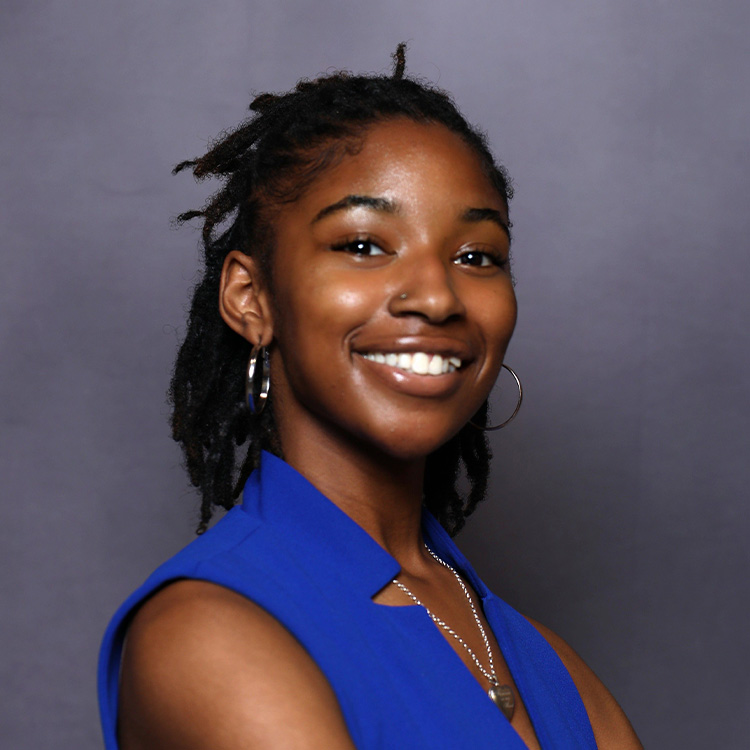
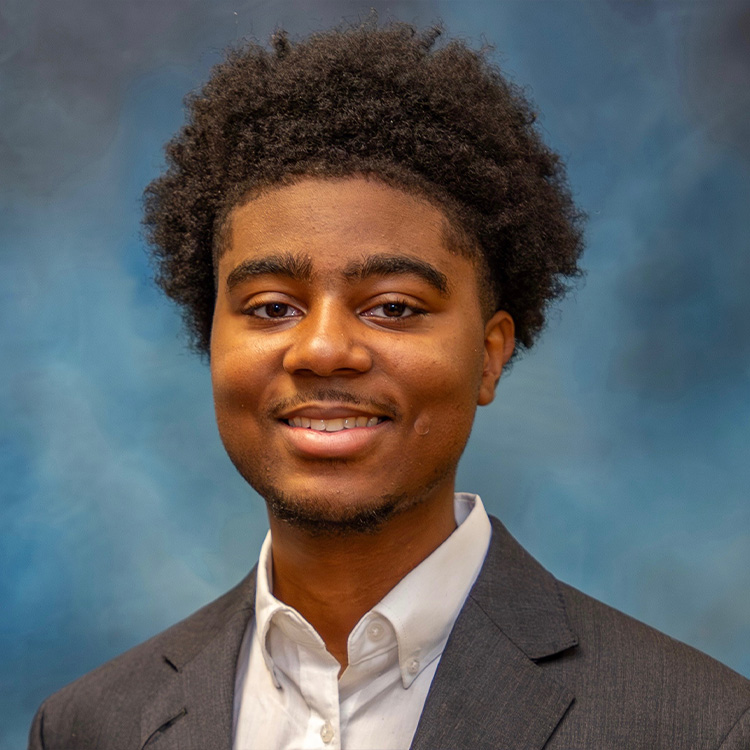
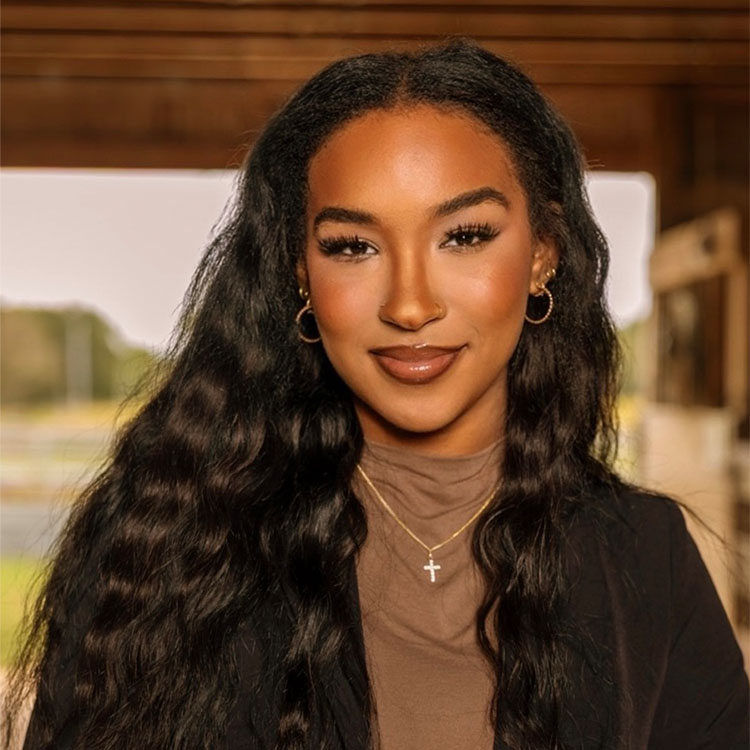
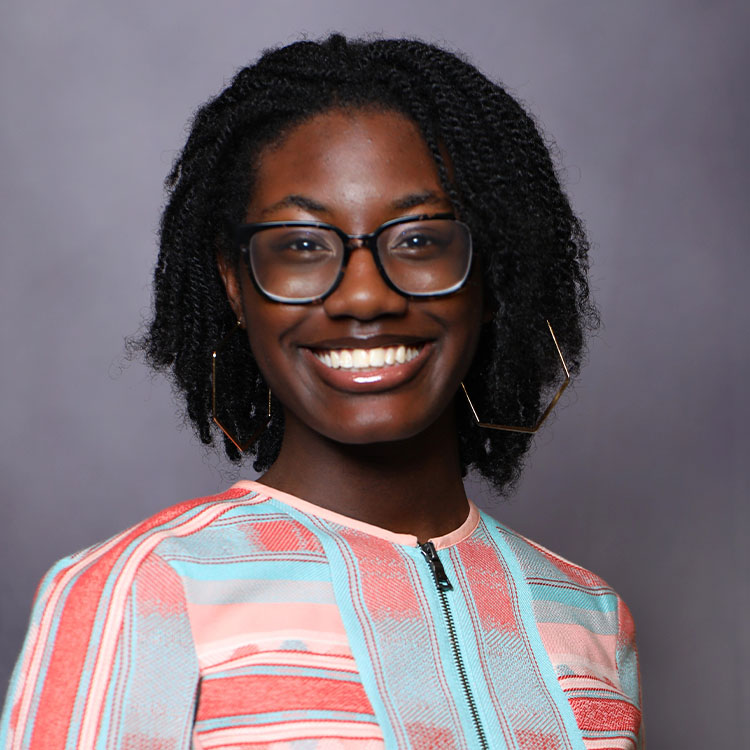
Through our collaboration with the Fort Valley State University MANRRS Chapter, we are proud to share another collection of student-written features honoring Black women whose contributions have shaped medicine, science, nutrition, public health, and healthcare access.


DAY 8: Flemmie Pansy Kittrell

Flemmie Pansy Kittrell was born in North Carolina in 1904 to sharecropping parents and began working as a cook and maid at a young age, which sparked her interest in nutrition and child well-being in Black and low-income families. She became the first African American woman to earn a PhD in nutrition, graduating from Cornell University in 1936 during an era of intense racial segregation. This achievement marked her as a major educational trailblazer in nutrition science. From 1944 to 1971, Kittrell served as the head of the Home Economics Department at Howard University. While there, she led a study through an experimental nursery school on campus. This research later became a model for the federal Head Start program, which supports early education, health, and wellness for children from low-income families. 

Kittrell was also a dedicated public health advocate whose research focused on reducing health disparities in underserved communities. She traveled internationally to improve nutrition and public health outcomes. During her work in Liberia, she coined the term “hidden hunger” to describe vitamin deficiencies in individuals who consumed enough food but lacked proper nutrition. Overall, her contributions greatly advanced the understanding of how diet, health, and socioeconomic status are interconnected and continue to influence efforts toward health equity.

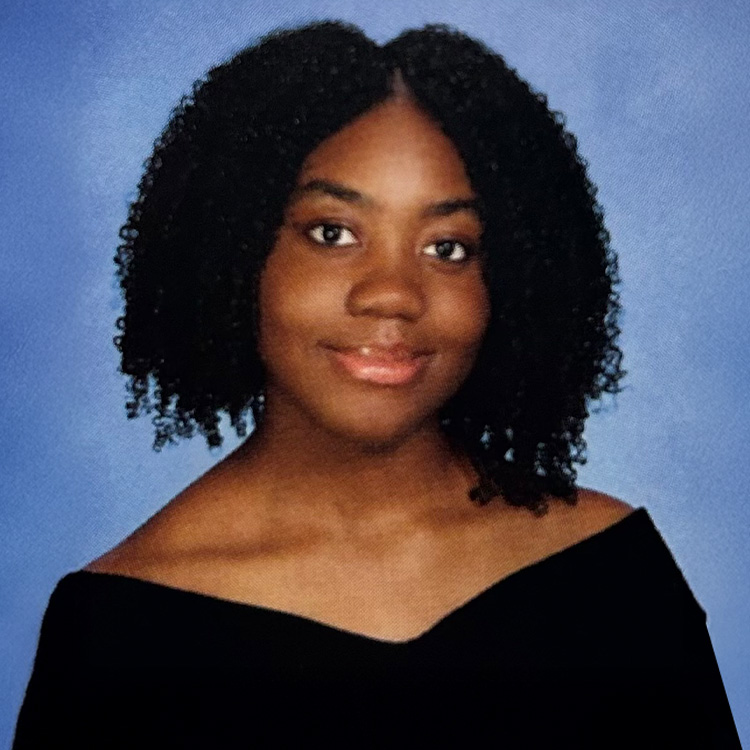
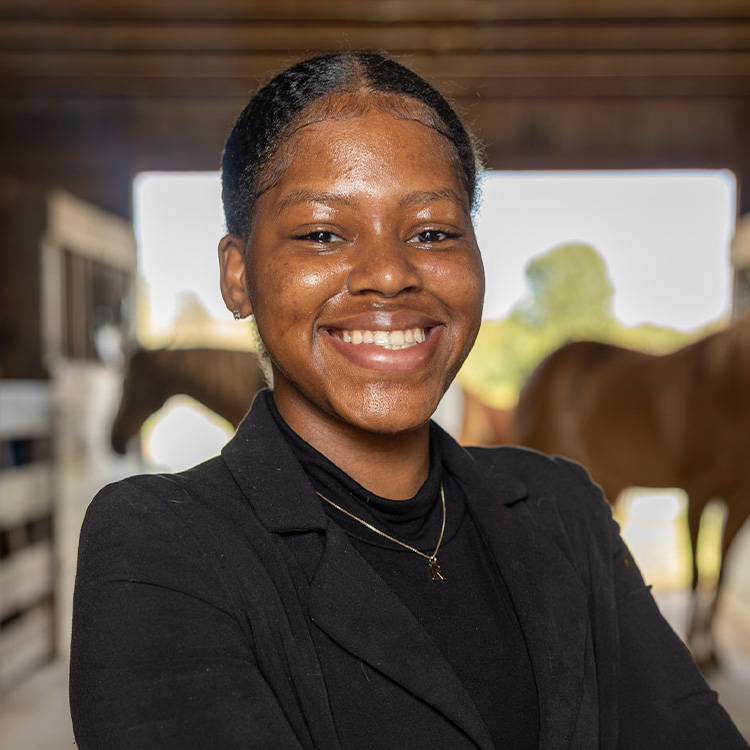
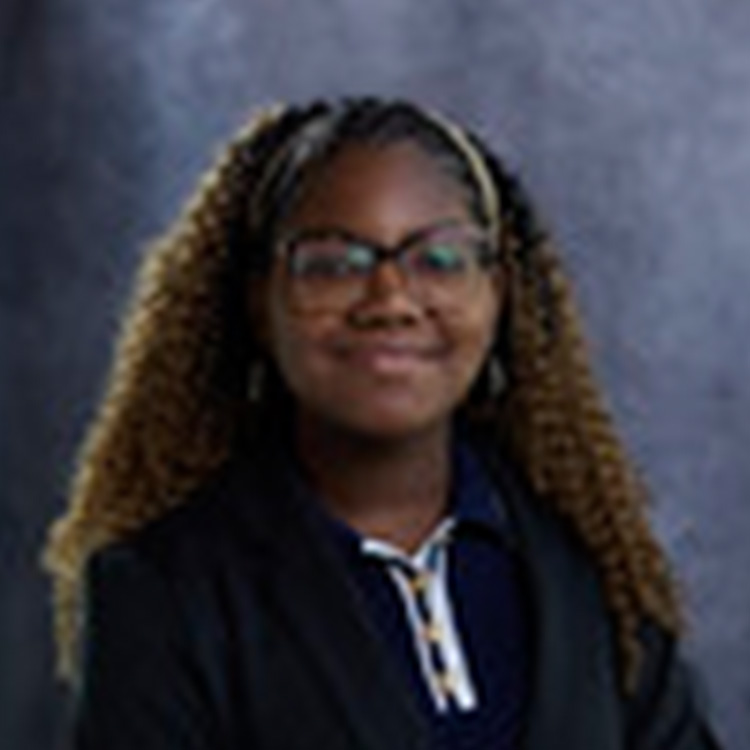
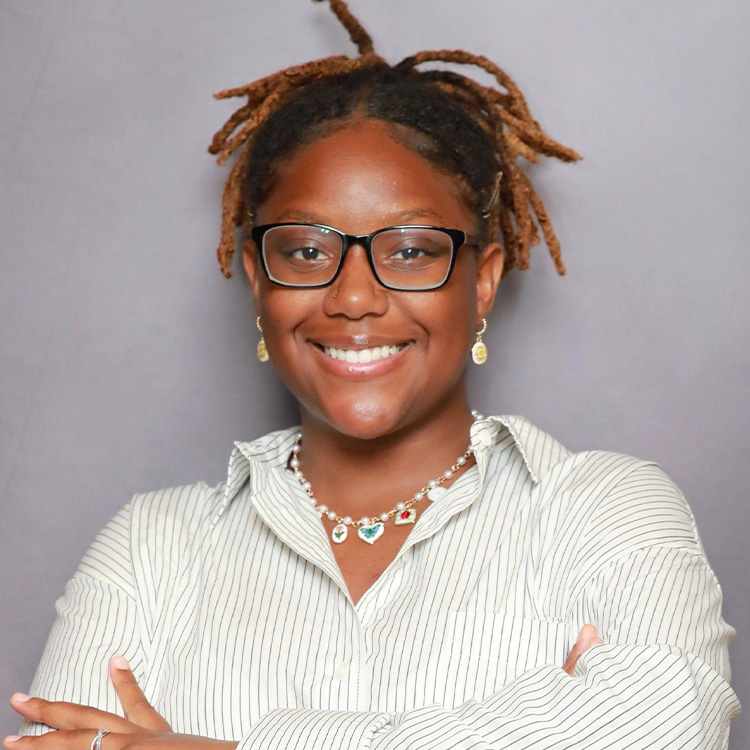
Nylah Smith

Written by Nylah Simpson

Major: Animal Science, Fort Valley State University

Future Endeavor: Master’s Degree in Nutrition; secured post-graduation position with USDA


Day 9: Dr. Mae C. Jemison

Dr. Mae C. Jemison is a physician, engineer, and former NASA astronaut who made history as the first African American woman to travel into space in 1992 aboard the Space Shuttle Endeavour. She earned her medical degree from Cornell University and later worked as a general practitioner and Peace Corps medical officer, providing healthcare in underserved communities. Her career reflects a deep commitment to using science and medicine to improve lives around the world. Through her achievements, she has inspired countless Black women to pursue careers in medicine, science, and technology.

Beyond her medical work, Dr. Jemison has been a strong advocate for diversity and inclusion in STEM fields. She founded the Jemison Group and the international science camp, The Earth We Share, to encourage young people, especially girls of color in exploring science and medicine. Dr. Jemison continues to speak globally about education, innovation, and social responsibility. Her legacy represents excellence, perseverance, and expanded opportunities for Black women in medicine and beyond.

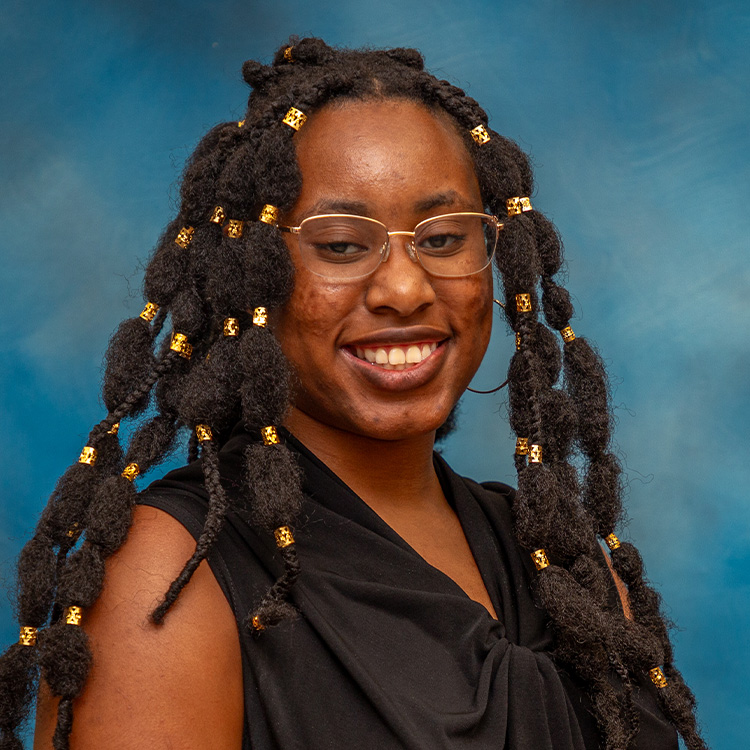
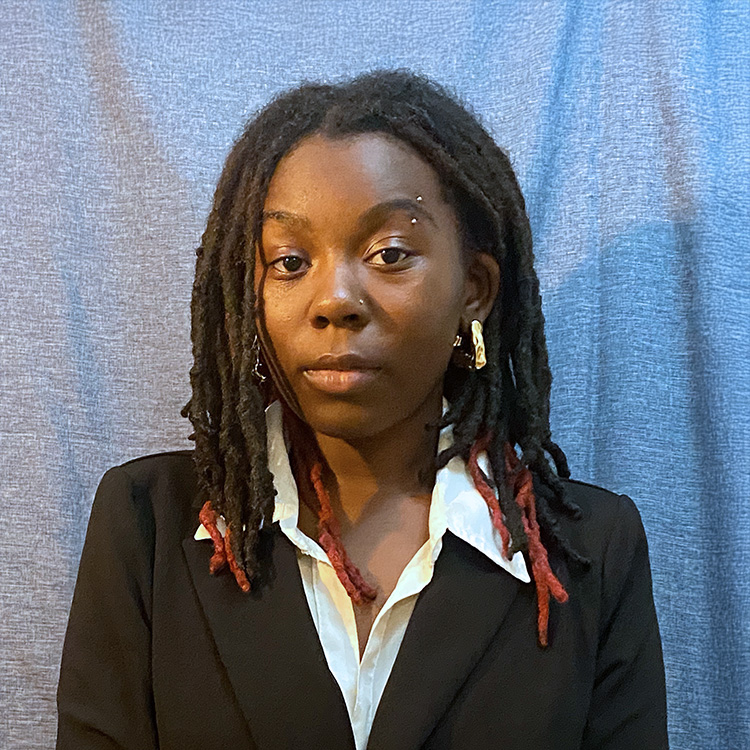
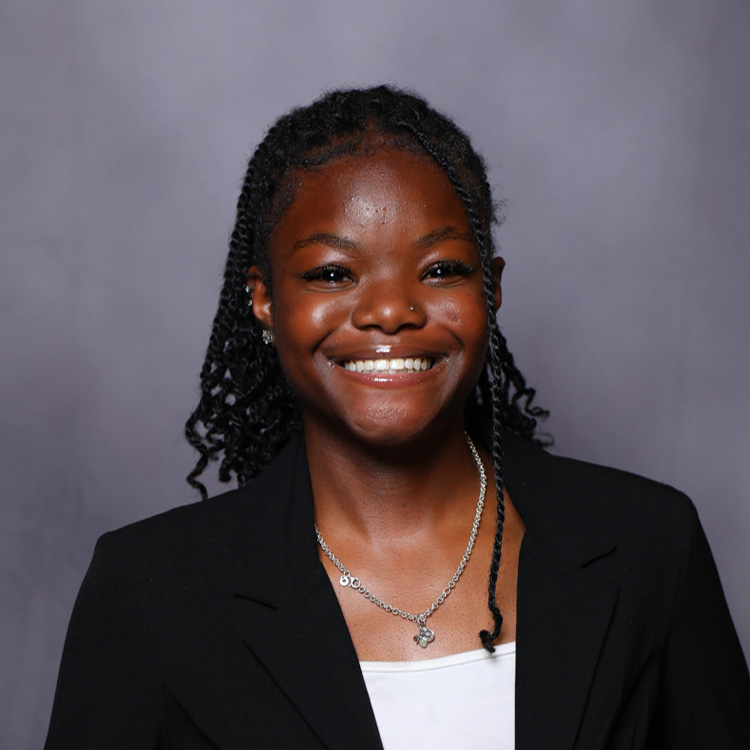
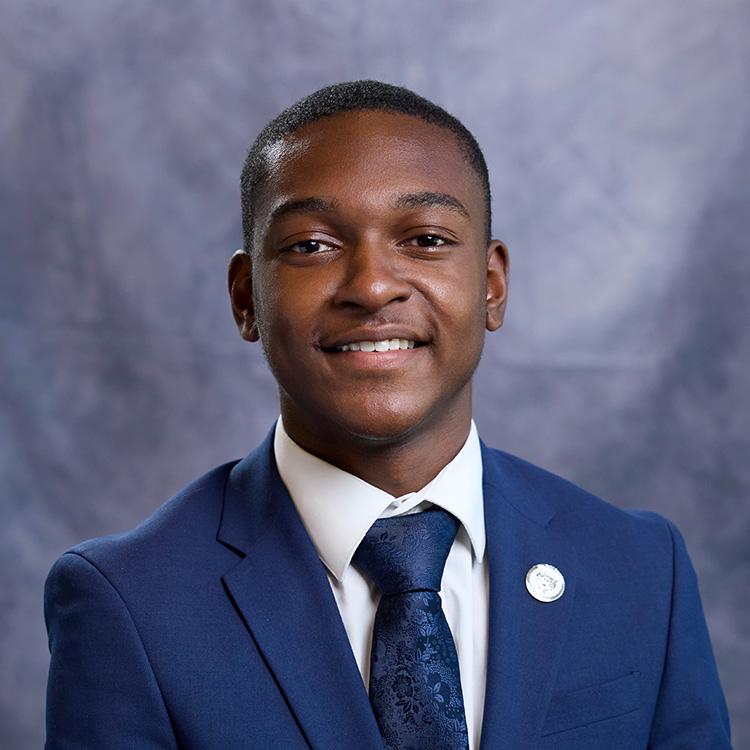
Amari Parker

Written by Amari Parker

Major: Agriculture Economics, Fort Valley State University

Future Endeavor: Agricultural Engineer


Day 10: Alice Augusta Ball 

Alice Augusta Ball was a brilliant chemist whose work made a lasting impact on medicine, despite her life being tragically short. Born in 1892, she became one of the first Black women to earn a master’s degree in chemistry and was the first Black woman to graduate from the University of Hawaiʻi. While working there, Ball developed an innovative and effective treatment for leprosy (Hansen’s disease) using compounds derived from chaulmoogra oil. Her method transformed the oil into a form that could be safely injected and absorbed by the body, offering real hope to patients at a time when few treatments existed. This breakthrough, later known as the “Ball Method,” significantly improved outcomes for people suffering from the disease.

Despite the importance of her discovery, Alice Ball did not receive proper credit during her lifetime. After her death at just 24 years old, her work was taken and publicly credited to a male colleague, delaying recognition of her contributions for decades. Today, Ball is celebrated as a pioneer for women in medicine and a powerful figure in Black history, representing both scientific excellence and the challenges faced by Black women in academic and medical fields. Her legacy serves as an inspiration, highlighting the importance of equity, recognition, and diversity in medicine and scientific research—values that remain essential during Black History Month and beyond. 

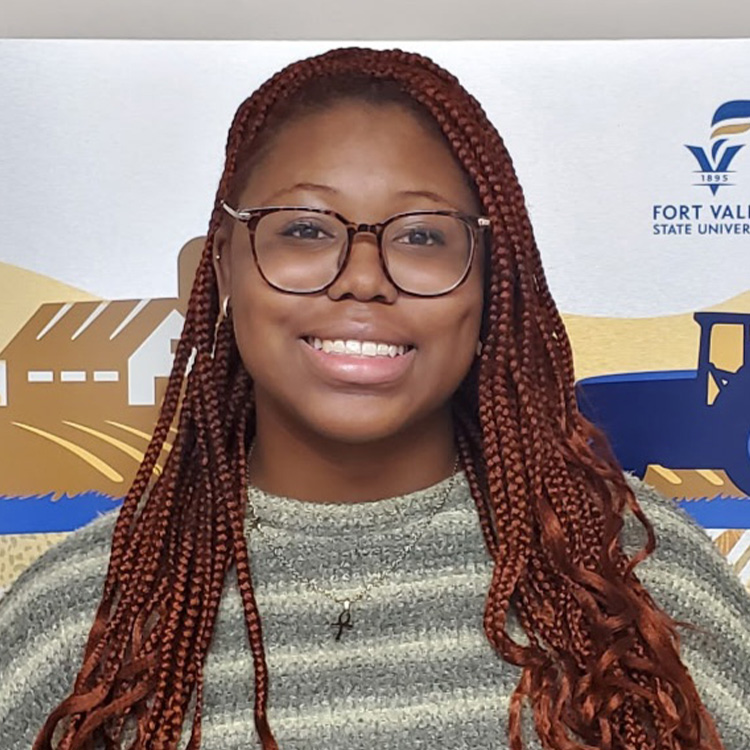
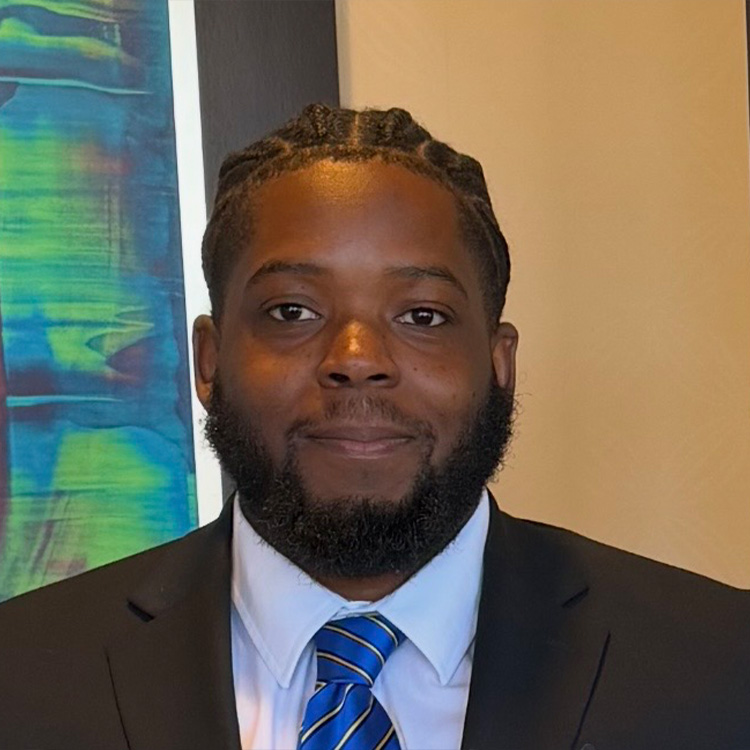
Zarien Vilsaint

Written by: Zarien Vilsaint

Major: Plant Science with minor in Accounting, Fort Valley State University

Future Endeavor: Plant based medicine research scientist/Pharmaceutical medicine


Day 11: Dr. Rebecca J. Cole

Dr. Rebecca J. Cole was a pioneering physician and one of the earliest Black women to break barriers in American medicine. In 1867, she became the second Black woman in the United States to earn a medical degree, graduating from the Woman’s Medical College of Pennsylvania. At a time when both racial and gender discrimination severely limited opportunities in healthcare, Dr. Cole remained committed to serving those most in need. She focused her medical career on providing care to poor and underserved communities, particularly women and children who lacked access to basic medical services.

Dr. Cole was deeply involved in public health efforts and worked with organizations such as the New York Infirmary for Women and Children, which had been founded by Drs. Elizabeth Blackwell and Marie Zakrzewska. Through her work, she emphasized preventive care, hygiene, and education as essential components of health. Her dedication helped improve healthcare access for marginalized populations and laid important groundwork for future generations of Black women in medicine. Dr. Cole’s legacy endures as a symbol of perseverance, service, and commitment to health equity.

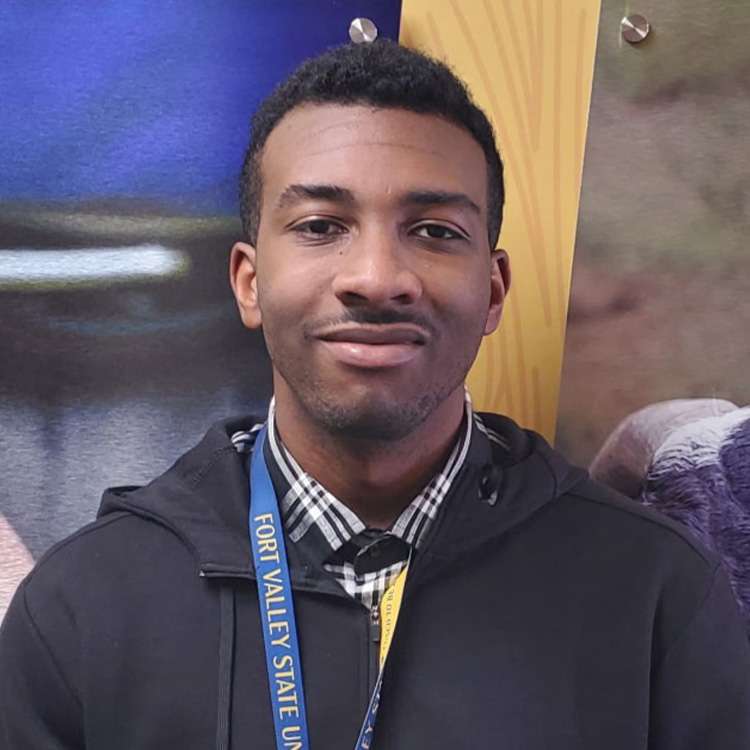
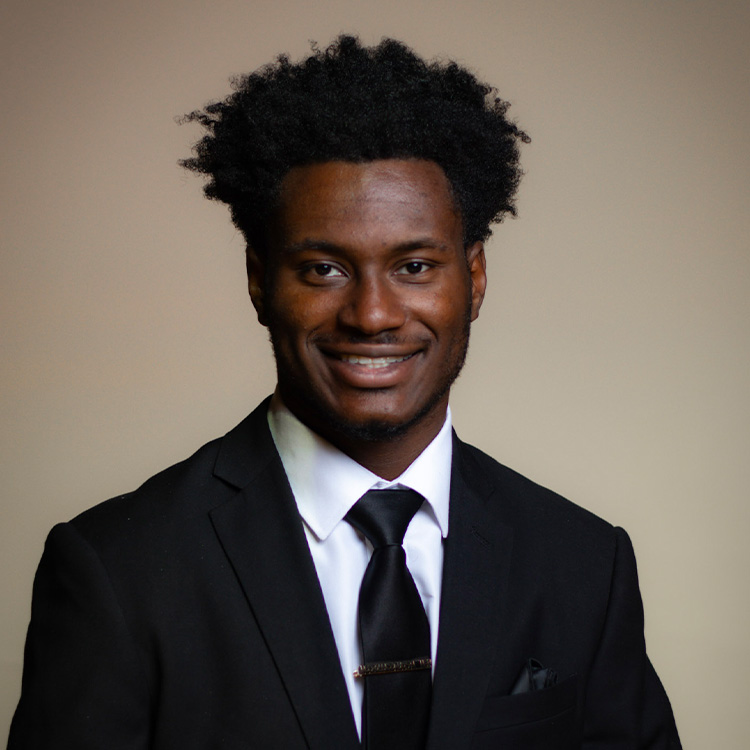
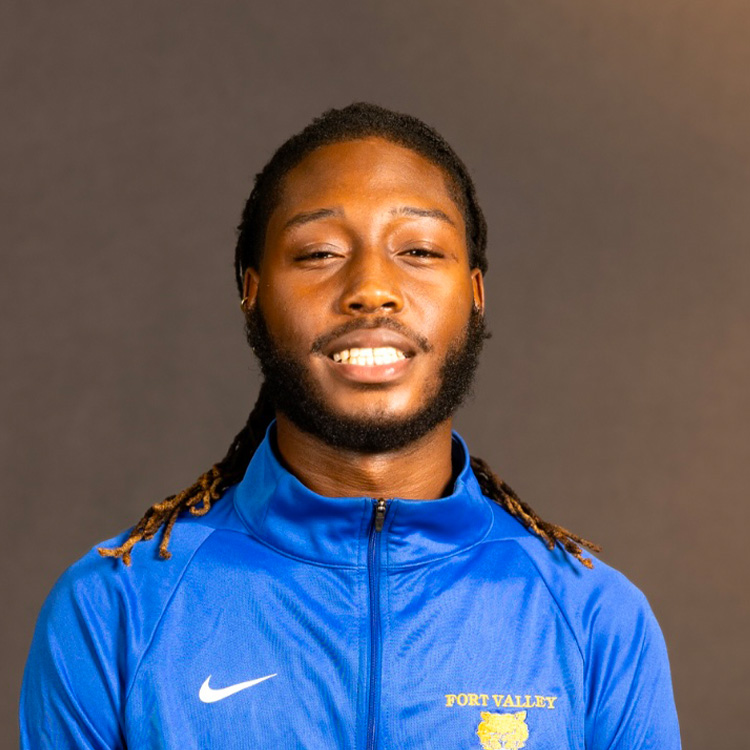
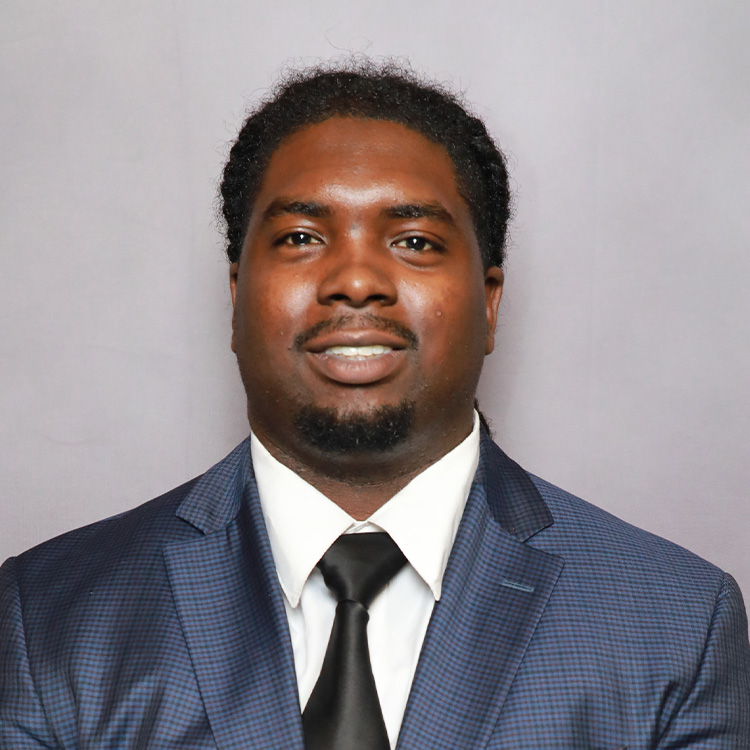
Edward Carter III

Written by Edward Carter III 

Major: Agricultural Economics, Fort Valley State University

Future Endeavor: Agricultural Commodity Trader


Day 12:  Dr. Helen Octavia Dickens 

Dr. Helen Octavia Dickens was an innovative American doctor whose contributions revolutionized obstetrics and gynecology, simultaneously improving access to healthcare and education for marginalized populations. Dickens studied to become an obstetrician-gynecologist during a period when African American women encountered significant obstacles in the medical field. She was among the first African American women to achieve board certification in obstetrics and gynecology and subsequently became the first woman to lead the Department of Obstetrics and Gynecology at Meharry Medical College, a historically Black medical institution. Her guidance advanced the training for doctors destined to assist underserved communities throughout the United States

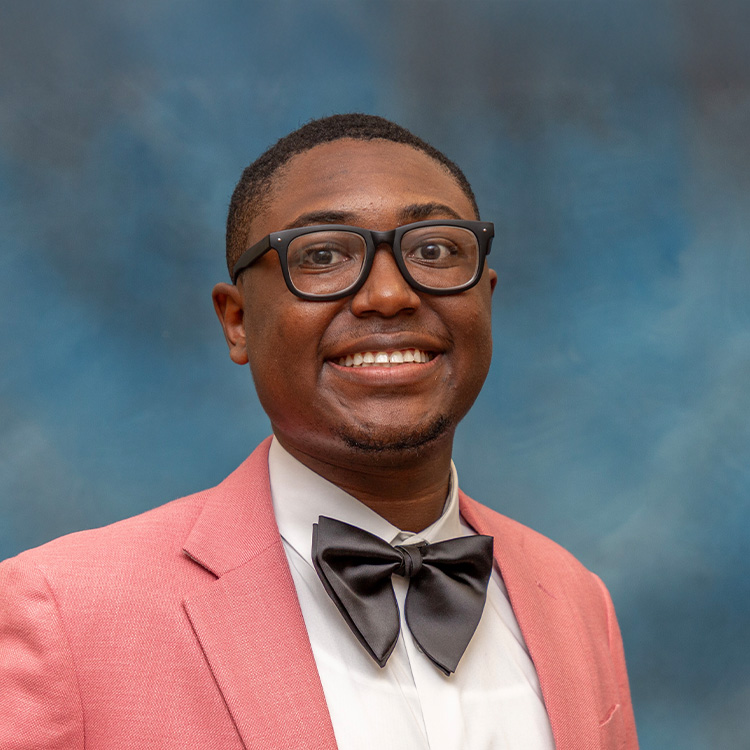
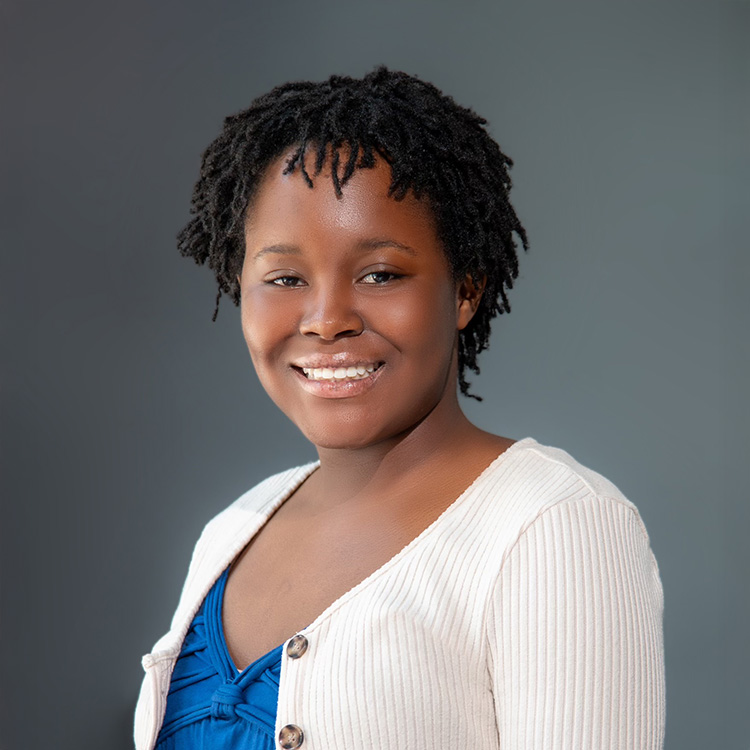
Nakira Morris

Written by Nakira Morris

Major: Plant Science concentrating in horticulture, Fort Valley State University

Future Endeavor: Horticulturist


Day 13: Dr. Georgia Rooks Dwelle 

Dr. Georgia Rooks Dwelle was an important Black woman whose work made a lasting impact on the medical field, particularly in maternal and child health. Born in 1884 in Atlanta, Georgia, she grew up during a time when Black women faced significant barriers in pursuing medical careers. Despite these challenges, she believed strongly in education and earned her medical degree from Meharry Medical College. She specialized in both pediatrics and obstetrics, allowing her to care for children as well as mothers. Her dedication focused on improving healthcare access for underserved Black communities.

In 1913, Dr. Georgia Rooks Dwelle founded the Dwelle Sanitarium in Atlanta to provide medical care for Black women and children who were often denied treatment elsewhere. The sanitarium also offered professional training opportunities for Black nurses. Through her focus on pediatric care and safe childbirth practices, she helped reduce infant mortality rates. Her work showed how medicine could be rooted in both compassion and community service. Dr. Georgia Rooks Dwelle’s legacy continues to inspire future generations of Black women in healthcare.

Phillip Smith

Written by Phillip Smith 

Major: Agricultural Economics, Fort Valley State University

Future Endeavor: Agronomist


Day 14: Dr. Camara Phyllis Jones

Dr. Camara Phyllis Jones is a distinguished physician, epidemiologist, and public health leader whose work has reshaped the medical field’s understanding of health inequities. Born in the United States, she pursued medicine and public health with a strong interest in how social conditions affect health outcomes in Black and marginalized communities. She earned her medical degree and later specialized in epidemiology, where she focused on identifying the root causes of health disparities. Dr. Jones became widely known for developing a clear framework that explains racism at the institutional, interpersonal, and internalized levels. This work positioned her as a trailblazer in addressing racism as a public health issue rather than an individual failing.

Throughout her career, Dr. Jones has served in influential roles, including as a medical officer at the Centers for Disease Control and Prevention and as president of the American Public Health Association. Her research and advocacy have guided public health policy, medical education, and community-based health initiatives nationwide. She has consistently emphasized that achieving health equity requires changes in systems, policies, and social structures. Dr. Jones also founded the National Collaborative for Health Equity to promote fair and just health outcomes for all populations. Overall, her contributions continue to influence how medicine and public health address inequality, prevention, and justice in healthcare.
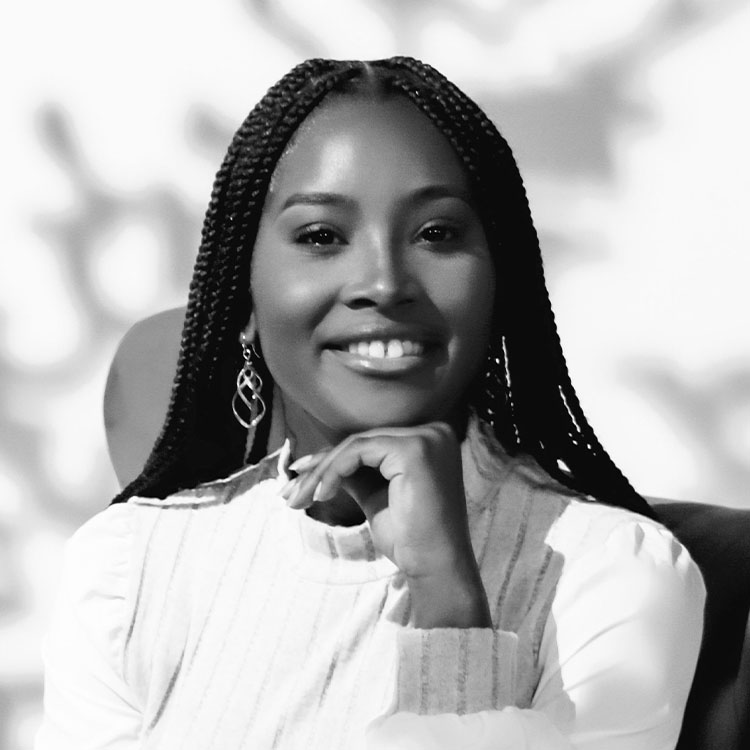
Kayla Roberts

Written by Kayla Roberts

Major: Agricultural Economics, Fort Valley State University 

Future endeavor: Agricultural Data Analyst 


We are honored to amplify these stories through the voices of Fort Valley State University students, whose own academic journeys echo the perseverance and purpose of the pioneers they celebrate. As Black History Month continues, we invite you to reflect on these legacies, engage with each story, and recognize that the future of healthcare is being shaped by students inspired by those who came before them.

Stay with us as we continue this series in honor of Black History Month.

Celebrating the Pioneers, Advocates, and Innovators During Black History Month 

Week One: Breaking Barriers in Healthcare

To kick off Black History Month, we’re honoring seven remarkable Black women whose contributions helped shape modern medicine, public health, research, and veterinary care.

Written by students from Fort Valley State University, this Week One feature highlights pioneers who advanced health equity, innovation, and compassionate care, often against extraordinary odds.


DAY 1: Dr. Dorothy Celeste Boulding Ferebee

Dorothy Boulding Ferebee was a trailblazing Black woman whose work made a lasting impact on medicine and public health in the United States. Born in 1898, she pursued higher education at a time when opportunities for Black women in medicine were extremely limited. She earned her medical degree from Tufts University School of Medicine, becoming one of the few Black female physicians of her era. Early in her career, she recognized that many health problems in Black communities were rooted in inequality rather than biology. This understanding shaped her lifelong commitment to public health and preventative care. She believed access to education and healthcare was essential for community empowerment. Her passion for service guided her work both inside and outside clinical settings.

Dr. Ferebee is best known for her leadership in addressing health disparities affecting Black women and children. She served as the medical director of the Mississippi Health Project, which brought essential healthcare services to underserved rural communities in the South. Through this project, thousands of families received medical care, vaccinations, and health education. She also played a major role in national organizations, including serving as president of the National Council of Negro Women. In these leadership roles, she advocated for policies that improved healthcare access and maternal health outcomes. Her work helped bridge the gap between medicine and social justice while also combating public health issues. Dr. Dorothy Boulding Ferebee’s legacy continues to inspire Black women in medicine who strive to create change through compassion and service.

Written by Kennedi Brazil

Major: Agricultural Economics, Fort Valley State University

Future Endeavor: Master of Business Administration, Pharmaceutical Sales


Day 2: Dr. Patricia Bath

Dr. Patricia Bath was a pioneering ophthalmologist, inventor, and public health advocate whose work transformed the treatment of blindness. She was the first African American woman to complete a residency in ophthalmology and the first African American female doctor to receive a medical patent. Dr. Bath co-founded the American Institute for the Prevention of Blindness, where she promoted the idea that eyesight is a basic human right. Through her research, she identified health disparities in vision care, noting that preventable blindness disproportionately affected underserved communities due to limited access to medical treatment.

One of Dr. Bath’s most significant contributions to medicine was the invention of the Laserphaco Probe, a device that revolutionized cataract surgery by using laser technology to remove cataracts more precisely and safely. This innovation restored sight to many patients, including individuals who had been blind for decades. Her invention improved surgical outcomes worldwide and is still influential in modern ophthalmology. Beyond her technical achievements, Dr. Bath’s legacy lies in her commitment to equity in healthcare, as she consistently worked to ensure that advanced medical treatments were accessible to all people, regardless of race or socioeconomic status.

Written by Lauren Basnight

Major: Veterinary Technology, Fort Valley State University

Future Endeavor: Emergency Veterinary Medicine


Day 3: Dr. Rebecca Lee Crumpler

The journey of Dr. Rebecca Lee Crumpler is an inspiring story. Dr. Crumpler was the first African American woman to earn a doctorate of medicine. She wrote one of the very first medical publications by an African American, A Book of Medical Discourses (1883). It offers advice on women’s and children’s health, nutrition, hygiene, and disease prevention and addresses disparities faced by the Black community. 

Dr. Crumpler was born in 1831 in Delaware to Absolum Davis and Matilda Webber. She was raised by her aunt in Pennsylvania who spent her time taking care of sick neighbors. Crumpler went on to work as a nurse in 1852, before the first formal school of nursing opened in 1873. In 1860, she was admitted to the New England Female Medical College, graduated in 1864, and made history as the first African American woman to graduate with an M.D. Her published book in 1883 detailed just how much her aunt inspired her career choice and how she dedicated her time to chase after every possible opportunity to take care of others. 

After the Civil War ended in 1865, she moved to Richmond, Virginia and joined other Black physicians caring for freed enslaved people who would have had no access to medical care. After spending much time there, she eventually returned to Boston and practiced to her heart’s content, and coincidentally stayed on Joy Street on Beacon Hill. She eventually retired and her story still inspires black women chasing dreams today.

Written by: Chantia Fletcher 

Major: Animal Science, Fort Valley State University

Future Endeavor: Research Scientist in Animal Science


Day 4: Dr. Regina Marcia Benjamin

Dr. Regina Marcia Benjamin made many brilliant contributions to the medical field, which included earning three degrees: a Bachelor of Science in Chemistry at Xavier University, Master of Business Administration at Tulane University, and a doctor of medicine at the University of Alabama. Dr. Benjamin utilized her doctoral and business degrees to found and operate as CEO of Bayou Clinic. Having been born and raised in Alabama, she didn’t run her practice just out of her passion for medicine. She had a desire to give back to the rural community of her home state, providing cost-efficient medical care to a small village on the Gulf Coast of Alabama where 80% of her patients classified as below the poverty line. 

Her journey wasn’t without trial though. A hurricane reduced her clinic to mere rubble, but she did not let that stop her. She rebuilt her clinic and continued to provide care during its rebuilding through house calls. Her brilliance and compassion was recognized by Barack Obama, and she became the 18th appointed U.S. Surgeon General from 2009 to 2013 under Obama’s presidency, chosen by him. After her service as the nation’s doctor, she was elected Chair of Public Health Sciences at Xavier University in New Orleans, Louisiana and currently holds this position today!

Written by Aajah Forgue

Major: Animal Science, Fort Valley State University 

Future Endeavor: Veterinary Medicine (exotic and domestic animals)


Day 5:  Dr. May Edward Chinn

As a young Black woman in college working towards becoming a physician, learning about Dr. May Edward Chinn has been both inspiring and affirming. Dr. Chinn was one of the earliest Black women to graduate from medical school in the United States and the first Black woman to intern at Harlem Hospital, achievements that were groundbreaking during a time of intense racial and gender discrimination. When she was denied hospital privileges because of her race and gender, she refused to let those barriers define her future. Instead, she built a successful private practice and devoted much of her career to cancer research, particularly cervical cancer. Dr. Chinn played a significant role in advancing early cancer detection by collaborating with Dr. George Papanicolaou, and providing clinical data that supported the development and validation of the Pap smear. Her work helped transform cervical cancer from a frequently fatal disease into one that could be detected and treated early, ultimately saving countless lives.

Dr. Chinn’s legacy extends far beyond her medical accomplishments; it lives on in the confidence and ambition she instills in young aspiring Black women like me. By using her private practice to collect samples and support research that many institutions excluded her from, she proved that meaningful contributions to medicine do not require institutional acceptance, only dedication and purpose. Knowing that she helped develop a screening tool that remains a cornerstone of women’s health today motivates me to pursue medicine not just as a career, but as a means of advocacy and impact. Dr. Chinn reminds me that even when doors are closed, we can still shape the future of healthcare and inspire generations of Black women to see themselves as innovators, leaders, and healers.

Written by Victoria Mensah

Major: Biology, Fort Valley State University.

Future Endeavor: Doctor of Medicine


Day 6: Dr. Lila Miller 

Dr. Lila Miller is a veterinarian whose work has made a lasting impact on animal health and shelter medicine. She is widely known for her leadership at the ASPCA, where she has served as Vice President of Shelter Medicine and helped transform how animal shelters provide medical care. Through her work, Dr. Miller (also known as “the mother of shelter medicine”) has improved standards for spay and neuter programs, disease prevention, and humane treatment of animals nationwide. Her efforts have directly contributed to saving countless animal lives and improving welfare practices across the country. As a Black woman in veterinary medicine, she has also helped break barriers in a field where representation has historically been limited.

Beyond her clinical contributions, Dr. Miller is a powerful advocate for education, access, and equity in veterinary care. She has worked to expand affordable, high-quality medical services for underserved communities and shelters with limited resources. Her leadership emphasizes collaboration, compassion, and science-based medicine to create sustainable change. Dr. Miller’s career reflects the importance of using medical expertise not only to treat patients, but to improve systems as a whole. Her legacy continues to inspire future generations to pursue careers in medicine, advocacy, and service.

Written by Gabrielle Ellison

Major: Veterinary Technology, Fort Valley State University

Future Endeavor: Veterinary Radiologist


Day 7: Henrietta Lacks 

Henrietta Lacks was a Black woman whose legacy quietly lives within the heartbeat of modern medicine. Born in 1920 in Roanoke, Virginia, she sought treatment for cervical cancer at Johns Hopkins Hospital in 1951, unaware that history was unfolding within her cells. Without her consent, doctors collected samples from her tumor and made a groundbreaking discovery: her cells could live and multiply endlessly. These cells became known as HeLa cells, the first immortal human cell line. What began as one woman’s fight for healing became a gift that reshaped science forever.

Henrietta’s cells have touched nearly every corner of medical advancement, from the creation of the polio vaccine to breakthroughs in cancer research, genetics, and virology. They have traveled the world, studied in countless laboratories, and contributed to saving millions of lives. Yet for many years, Henrietta Lacks and her family were left in the shadows, unaware of the role she played in global medicine. Her story reveals both the beauty of scientific discovery and the deep injustice faced by Black women in healthcare. Today, Henrietta Lacks is honored not only as a scientific cornerstone, but as a symbol of resilience, dignity, and the enduring power of a woman whose life mattered.

Written by Ashley Oshin

Major: Agricultural Economics, Fort Valley State University 

Future endeavor: Biomedical Engineer, Laboratory Research Scientists


The stories featured in Week One of our Black History Month series illustrate the lasting influence Black women have had on medicine, science, and public health. Their contributions continue to shape modern healthcare, reminding us that progress is driven by perseverance, advocacy, and a commitment to equity.

As we continue this series throughout Black History Month, we invite you to explore these legacies, celebrate their impact, and learn more about the women whose work continues to inspire healthier communities for generations to come.

Celebrating Black Women in Medicine Through the Eyes of Tomorrow’s Leaders

Today, we’re honored to introduce someone whose work and heart align deeply with our mission at Covington Women’s Health Specialists.

Meet Dr. Steven Samuels—plant scientist at Fort Valley State University (FVSU) and proud husband of our very own Dr. Sherley Samuels. While Dr. Sherley serves women and families in our community through medicine every day, Dr. Steven is shaping the future through education, mentorship, and leadership.

Dr. Steven serves as the advisor for FVSU’s MANRRS Chapter (a professional development and leadership organization), comprising 125 students preparing to lead in science, medicine, agriculture, and beyond. His commitment to guiding, advocating for, and opening doors for these students is exactly why Covington Women’s Health Specialists believed it was important to invest in this organization.

In 2025, our practice made a financial donation to the FVSU MANRRS Chapter—not just as a contribution, but as a statement. We believe in pouring into the next generation, supporting representation in science and medicine, and backing organizations that create real opportunity through action.

As a beautiful thank you, 28 incredible MANRRS students have written highlights celebrating 28 Black women in medicine and science. Beginning this February, in honor of Black History Month, we will be sharing one student-written highlight each day throughout the month with our patients and community.

At Covington Women’s Health Specialists, Black History Month is not just a moment—it’s a mindset. We are committed to integrating the values of Black History Month into our daily practices and long term commitments, through education, partnership, investment, and action.

As we share these daily highlights throughout February, we invite you to lean in—whether you’re discovering something new or being reminded of the brilliance, resilience, and impact that have always been present. Each story is an opportunity to learn, reflect, and celebrate.

We encourage you to interact with every post—like, comment, share, and join the conversation. Be sure to take note of the name, major, and future aspirations of each student author. These are not just writers; they are emerging leaders, scientists, clinicians, innovators, and changemakers.

You just might be seeing the names of those who will be changing the world in the years to come.

WEEK ONE: BREAKING BARRIERS IN HEALTHCARE

WEEK TWO: EXPANDING ACCESS AND OPPORTUNITY

WEEK THREE: DRIVING INNOVATION AND IMPACT

WEEK FOUR: SHAPING THE NEXT GENERATION

Important Update on Prescription Refill Requests​ Effective February 9, 2026

We want to make prescription refills as safe, accurate, and efficient as possible for our patients.

Effective February 9, 2026, Covington Women’s Health Specialists will no longer refill prescriptions requested directly through pharmacies. This change helps ensure we are responding to requests that come directly from you and have the most up-to-date information about your care.

Please use one of the following options to request a prescription refill:

  • Let your provider know during your appointment
  • Send us a secure message through MyChart
  • Call our office at 770-385-8954

Requests submitted through these channels allow our team to verify the request, review your chart, and respond as efficiently as possible.

Thank you for helping us streamline this process and for continuing to trust us with your care. If you have questions about this update, our team is happy to help.

Minimally Invasive Gynecologic Surgery at Covington Women’s Health Specialists

Advanced Care Focused on Faster Recovery and Women’s Well-Being

When gynecologic surgery becomes necessary, most women want the same thing: effective treatment with the least disruption to their lives. At Covington Women’s Health Specialists, that goal is central to how care is delivered.

Dr. Cathy Larrimore and Dr. Sherley Samuels both perform minimally invasive gynecologic surgery, offering women advanced surgical options designed to reduce pain, shorten recovery time, and support a quicker return to everyday activities.

What Is Minimally Invasive Surgery?

Minimally invasive surgery (MIS) refers to surgical techniques that avoid large abdominal incisions. Instead, surgeons use small incisions, natural body openings, and advanced technology to treat gynecologic conditions with precision and care.

For patients, minimally invasive surgery often means:

  • Less post-operative pain
  • Shorter hospital stays (often same-day discharge)
  • Minimal or no visible scarring
  • Faster recovery
  • Earlier return to work, family, and daily routines

At our practice, minimally invasive surgery is not just about technology — it’s about providing thoughtful, individualized care that prioritizes healing and quality of life.

Minimally Invasive Gynecologic Procedures at Covington Women’s Health Specialists

Dr. Larrimore and Dr. Samuels offer a range of minimally invasive gynecologic surgical options, carefully selecting the approach that best fits each patient’s medical needs and personal goals.

Robotic-Assisted Surgery

Robotic-assisted surgery allows surgeons to perform complex procedures through very small incisions using enhanced visualization and precision. The robotic system is fully controlled by the physician, allowing for careful, controlled movements in delicate surgical areas.

Robotic Hysterectomy

Robotic hysterectomy is a minimally invasive gynecologic surgery option for removing the uterus and is especially beneficial for women with:

  • Uterine fibroids
  • Endometriosis
  • Prior abdominal surgeries
  • More complex pelvic anatomy

Patients often experience less blood loss, reduced pain, and a faster recovery compared to traditional open surgery.

Robotic Myomectomy

A myomectomy is a gynecologic surgical procedure to remove uterine fibroids while preserving the uterus. This option is often important for women who wish to maintain fertility or keep their uterus for personal or medical reasons.

Using robotic-assisted technology, fibroids can be removed with enhanced precision through small incisions, allowing careful reconstruction of the uterus. At Covington Women’s Health Specialists, advanced robotic techniques allow some women with large fibroids—who might otherwise require a large abdominal incision—to have their fibroids removed through minimally invasive surgery instead.

This approach often results in less pain, reduced blood loss, shorter hospital stays, and a quicker return to normal activities compared to traditional open surgery.

Laparoscopic Surgery

Laparoscopic surgery uses a small camera and instruments inserted through tiny abdominal incisions. This versatile approach is commonly used to:

  • Treat endometriosis
  • Remove ovarian cysts
  • Address chronic pelvic pain
  • Perform hysterectomies when appropriate

Most patients return home the same day and resume light activities within a short period of time.

Transvaginal Hysterectomy: The Original Minimally Invasive Approach

While newer technologies continue to advance surgical care, transvaginal (vaginal) hysterectomy remains one of the most important minimally invasive gynecologic surgery options. In fact, it is the oldest form of minimally invasive hysterectomy and continues to be highly effective for many women.

Performed entirely through the vagina with no abdominal incisions, transvaginal hysterectomy offers:

  • No visible scars
  • Short hospital stays
  • Less post-operative discomfort
  • Faster overall recovery

At Covington Women’s Health Specialists, this time-tested technique is carefully considered alongside newer approaches to ensure the best outcome for each patient.

Hysteroscopic Procedures

Hysteroscopy involves passing a thin camera through the cervix to diagnose and treat conditions inside the uterus—without any incisions. This minimally invasive technique is often used for:

  • Abnormal uterine bleeding
  • Removal of uterine polyps
  • Evaluation of fertility concerns

Recovery is typically rapid, allowing patients to return to normal activities quickly.

A Thoughtful, Patient-Centered Surgical Approach

At Covington Women’s Health Specialists, Dr. Samuels and Dr. Larrimore share a commitment to:

  • Choosing the least invasive and safest gynecologic surgical option whenever possible
  • Educating patients about their choices
  • Individualizing care plans
  • Supporting faster healing and long-term well-being

By combining modern robotic techniques with proven traditional minimally invasive approaches, Covington Women’s Health Specialists offers comprehensive gynecologic surgical care that is both innovative and grounded in experience.

Supporting Women Through Surgery and Recovery

Surgery can feel overwhelming, but the right approach can make a meaningful difference. Through minimally invasive gynecologic surgery, Covington Women’s Health Specialists helps women move forward with confidence—healing faster, experiencing less pain, and returning to their normal lives sooner.

Understanding your options is an important step in your care journey. We are here to support our patients every step of the way with expertise, compassion, and a focus on what matters most: their health and quality of life.

If you’ve been advised to consider surgery or are experiencing symptoms that may require evaluation, we encourage you to schedule a consultation. Call our office or request an appointment online to discuss your options and learn whether minimally invasive surgery may be right for you.

Covington Women’s Health Specialists Welcomes Certified Nurse Midwife DeeDee Carr to Our Team

Covington Women’s Health Specialists is pleased to welcome Margery “DeeDee” Carr, CNM, a certified nurse midwife with more than 20 years of experience in women’s health and maternity care, to our practice.

DeeDee provides full-scope midwifery services, including prenatal, intrapartum, postpartum, and gynecologic care. She has extensive experience caring for both low- and high-risk pregnancies and works closely with physicians and multidisciplinary care teams to support safe, evidence-based, and individualized care. Known for her compassionate, patient-centered approach, DeeDee prioritizes building trusting relationships and empowering patients through education and shared decision-making.

DeeDee earned her nursing degrees from Clayton State College and later completed her Master’s Degree in Nursing with a concentration in Midwifery from Philadelphia University. She is certified by the American Midwifery Certification Board and is committed to lifelong learning and excellence in midwifery practice.

Outside of work, DeeDee enjoys performing on the theatre stage throughout the Atlanta area. She is married and has two daughters.

Learn more about DeeDee Carr, CNM.

Transgender & Gender Diverse Patient Inclusion at Covington Women’s Health

A message from Drs. Cathy Larrimore, Sherley Samuels, and Meridith Farrow in response to hurtful comments on our recent transgender awareness post.

At Covington Women’s Health Specialists, we welcome all individuals in need of obstetrics and gynecological services. We see you and want to help you live your best and healthiest lives!

So, what does inclusion mean to us? It means that we will not exclude any individual from our care and we welcome people of all races, faiths, walks of life when they are in need of obstetrics or gynecologic care. This includes the transgender and gender diverse communities.

Gender dysphoria, the medical condition that effects these communities, is defined by The American College of Obstetrics and Gynecology as, “distress that accompanies the incongruence between one’s experienced and expressed gender and one’s assigned or natal gender.” The healthcare providers and staff at Covington Women’s Health Specialists are committed to not adding to the possible discomfort of these individuals by excluding them from our care. 

Here are some examples of the important medical care transgender and gender diverse patients need.

  1. Common problems like heavy periods effect many individuals. Every day we offer these individuals medical treatments and surgeries to help address this challenging condition. Can you imagine how extremely distressing and bothersome heavy periods can be for a person living life as a man? Our neighbors who were assigned female sex at birth and are now living their lives as men deserve the same chance for heavy period treatments as our neighbors living their lives as women.  In other words, the same chance for a happy life as you have.
  2. Cervical cancer kills.  Our fellow citizens who were assigned female gender at birth and are now living their lives as men deserve the same screening for cervical cancer as our fellow citizens living their lives as women. In other words, the same chance for a healthy life as you have.
  3. Many of us are parents and feel that having children enhances our lives. Men who were assigned female sex at birth may consult a gynecologist about infertility treatment. Because some transmen who were assigned female sex at birth want to be parents as grown ups, just like many of you. These men deserve the same chance to be parents as other women who face infertility. 
  4. Our patients who are living their lives as men but were assigned female sex at birth need and deserve healthcare just like you do for basic screening, problem visits, and complex problems. Please realize that although they are different from you, this community deserves the same access to healthcare. 
  5. Specialty practices, such as plastic surgery and endocrinology, are available to treat people with gender dysphoria allowing them to transition to the people who they are inside.  Hormone therapy is guided by trained endocrinologists.  Surgeries can be expensive, and many transmen have not had such procedures, but even if they have had gender affirming surgery such as breast removal, gynecologic care may still be necessary. 
  6. The majority of  gynecology patients are individuals assigned female sex at birth. However, there are times when gynecologists treat biological men such as prescribing medication to treat sexually transmitted infections in compliance with the Georgia state law that allows this to protect our primary patients and pregnant patients.  And testing or treating for infertility and inheritable diseases if we are treating their partner and there is a need to test or treat them.  These encounters never include physical examinations beyond vital signs.

Members of the transgender and gender diverse community live among us, and they have always been here! We believe it’s important to treat them with the same compassions and care as any other member of our community.

The comments that circulated in response to our recent transgender awareness post were hurtful–to this team, our colleagues, our staff and to many of our patients and neighbors. Please consider our words. Oppressing people will not elevate you. Happiness is infectious, bitterness is ugly. Do to others what you would have them do to you.

-Drs. Cathy Larrimore, Sherley Samuels, and Meridith Farrow

Continuing the Fight Against Breast Cancer with Strength and Positivity

Our Patient’s Inspiring Journey of Courage and Gratitude

While October may have been Breast Cancer Awareness Month, at Covington Women’s Health Specialists, our commitment to supporting women fighting breast cancer continues all year long. This November, we’re especially thankful for our patient, Katelyn Jackson, whose courage, positivity, and grace inspire us every day.

Katelyn’s journey began unexpectedly. After waking up one morning with soreness and noticing a knot in her right breast, she became extremely concerned and reached out to our team right away. “Covington Women’s Health Specialists got me in really quick,” Katelyn shared. “They asked lots of questions, sent me for a mammogram and ultrasound, and even reached out afterward to check on me and answer any questions I had. They even hosted a ‘Pink Out’ night at Piedmont Academy and covered the cheerleaders’ pink socks, bows, and pom poms!”

Since her diagnosis, Katelyn has undergone weekly chemotherapy treatments. The journey hasn’t been easy, but her positivity shines through. “Having a positive mindset has been the best thing for me,” she said. “Sharing my journey makes me feel loved and lifts me up when I have bad days. My family, friends, and fiancé, Joseph, have been my biggest support system. Joseph even shaved my head for me and keeps me laughing through it all.”

Katelyn hopes her story reminds others of the importance of self-exams and mammograms even for women without a family history of breast cancer. “It only takes a few minutes to catch it early and take care of yourself,” she said. “Listen to your body!”

Despite the challenges, Katelyn’s experience has changed her outlook on life and health for the better. “This experience has humbled me,” she shared. “It’s made me want to eat healthier, drink more water, and take care of myself and my family. Even losing my hair has brought me joy, because if sharing that part of my story helps someone else stay positive, it’s worth it.”

As she continues her treatments, we’re cheering Katelyn on every step of the way. Her bravery is a powerful reminder that breast cancer awareness and support extend far beyond one month of the year. If you are interested in supporting Katelyn’s journey, learn more here: Give In Kind – Breast Believe: Katelyn’s Strong

Covington Women’s Health Specialists Acetaminophen Statement

Acetaminophen remains a safe, trusted option for pain relief and fever during pregnancy.

From the American College of Obstetrics and Gynecology website:

“ACOG reaffirms the safety and benefits of acetaminophen use during pregnancy. More than 2 decades of research have found no causal link between acetaminophen use during pregnancy and autism, ADHD, or intellectual disability in children. Acetaminophen continues to be an important and safe option for managing pain and fever in pregnancy – conditions that can pose serious risks to pregnant patients and their fetuses if left untreated.”

Please feel free to discuss the use of acetaminophen with our highly skilled and educated providers to make the most informed decision regarding your care.

Welcome, Dr. Anju Sinha to Our Team!

Covington Women’s Health Specialists is proud to welcome Anju Sinha, MD, FACOG, a board-certified OB/GYN to our practice.

Dr. Anju Sinha provides compassionate and comprehensive OB/GYN care for women of all ages. She earned her medical degree from Magadh University, Nalanda Medical College in Patna, India, where she graduated as valedictorian. She went on to complete her residency in obstetrics and gynecology at the Brody School of Medicine at East Carolina University in Greenville, North Carolina.

Throughout her career, Dr. Sinha has been recognized for her excellence in teaching and contributions to women’s health. Her honors include the 2019 Distinguished Community Faculty Member Award from the Southeast Georgia Regional Campus, Medical College of Georgia, and the 2016–2017 Exemplary Teaching Award from the Medical College of Georgia. Earlier in her career, she was awarded the Gold Medal for Best Scientific Paper from the Bihar Society of Obstetrics & Gynecology in India.

In addition to caring for her patients, Dr. Sinha enjoys painting, sketching, playing the sitar, and cooking.