Breastfeeding on the Front Lines

A Working Mom’s Journey and the Power of a Village

By Dr. Sherley Samuels, OB/GYN

August is Breastfeeding Awareness Month—a time to celebrate the beauty, challenges, and strength behind one of the most natural, yet demanding, aspects of motherhood. As an OB/GYN and mother of four, I’ve supported countless women through their breastfeeding journeys. But this year, I’m deep in the thick of my own. And it’s my fourth time.

That’s right—this isn’t my first breastfeeding rodeo. Each of my four children has had a unique nursing journey, and I’ve learned that while some things do get easier with experience, breastfeeding never becomes effortless. This time, I’m balancing the needs of a busy 10-month-old with hospital shifts, pumping schedules, and the emotional push-and-pull of being a working mom.

The Truth About Breastfeeding: It’s Not Always Picture-Perfect

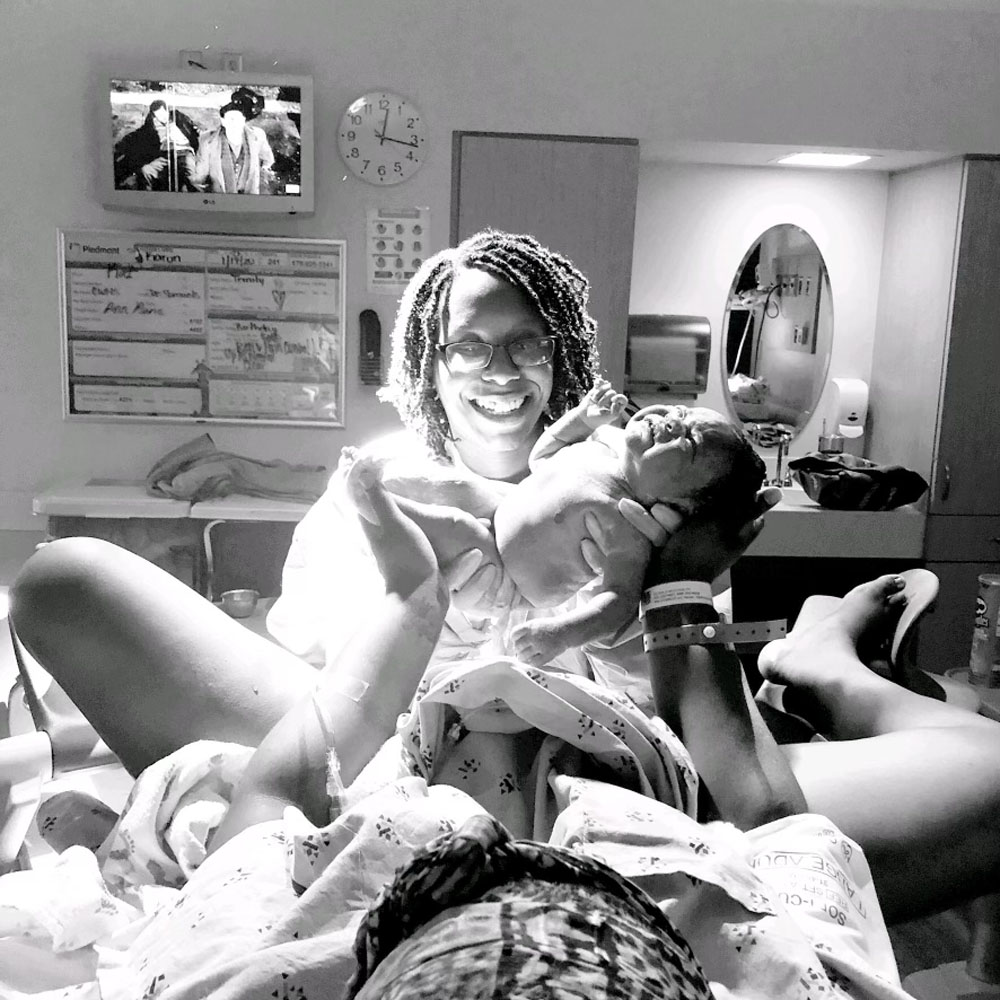
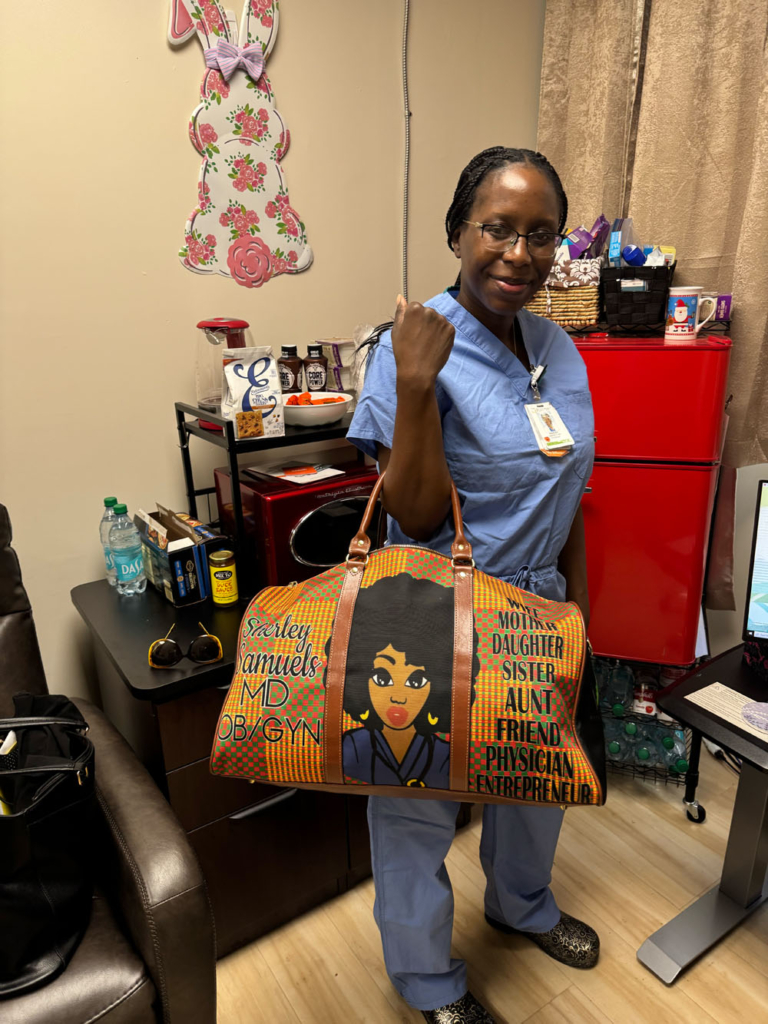
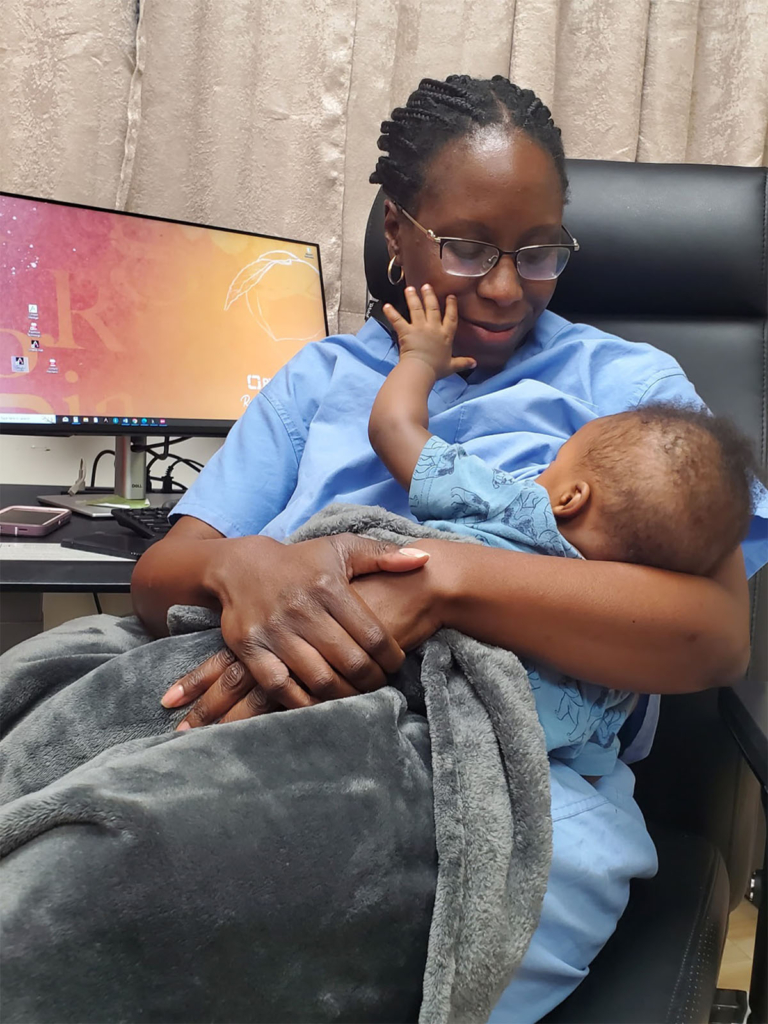
We often see glossy images of mothers in cozy chairs, blissfully nursing in the golden light of a quiet nursery. But real life? Real life looks like me, in my hospital call room, still in scrubs, holding my son close for a much-needed feed between patients. I’ll always treasure the photo that captured that moment, which only happened because my mother brought him to the hospital so I could nurse during a break in my 24-hour shift.
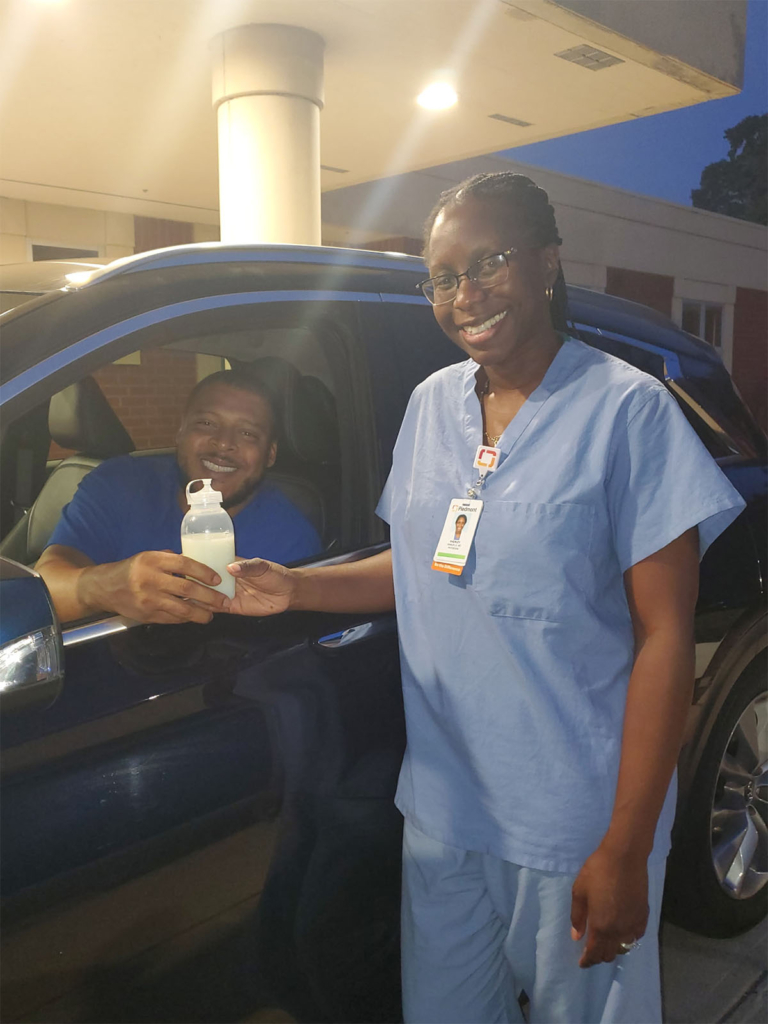
Another photo shows me passing a freshly pumped bottle of breast milk through the car window to my husband, who’s waiting outside the Labor & Delivery unit. I was on call, juggling responsibilities, and he was doing his part to make sure our baby had the nourishment he needed while I kept doing the work I love.
These snapshots are real. They’re raw. And they’re reminders that breastfeeding isn’t always serene—it’s sometimes a logistical puzzle, a late-night cry, or a breast pump in a supply closet. But it’s also a beautiful act of love and sacrifice.

What I’ve Learned in Four Journeys

With each child, I’ve gained new lessons, but one truth has remained constant: you cannot do this alone. Breastfeeding takes energy, time, and deep emotional reserves. None of us were meant to shoulder that alone.

In this fourth journey, I’m more intentional about leaning into my support system and more vocal about my needs. I no longer try to power through exhaustion in silence. I’ve learned to accept help, to say “yes” when someone offers a hand, and to trust that my village wants to show up for me—just as I would for them.

Leaning on Your Village

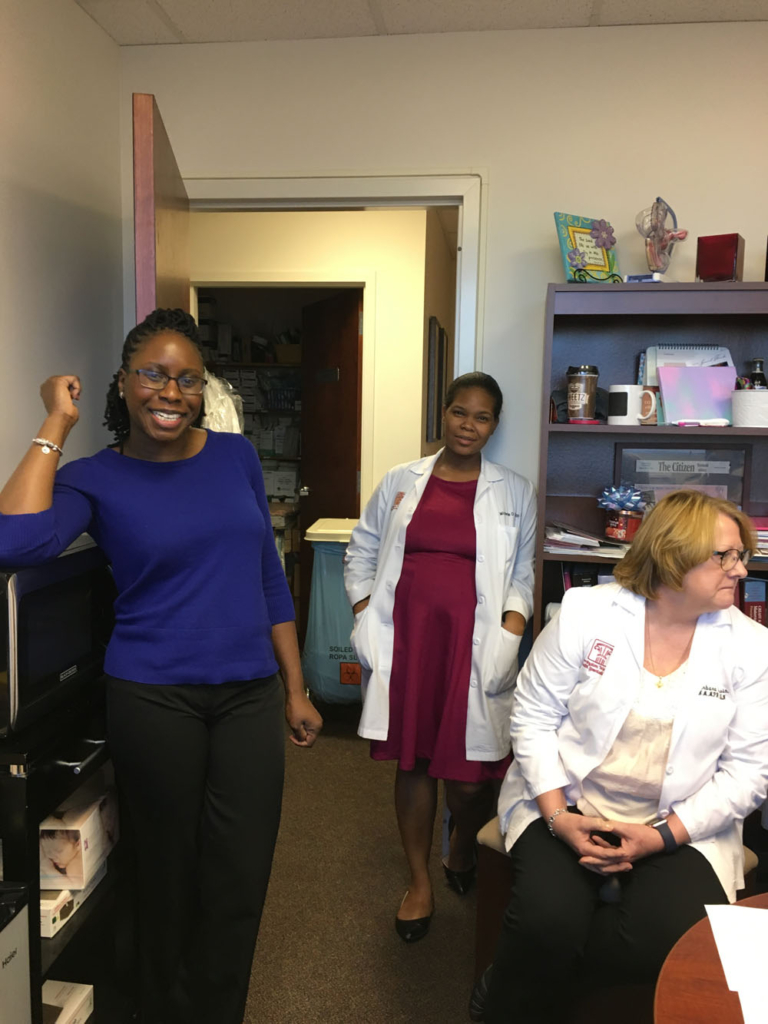
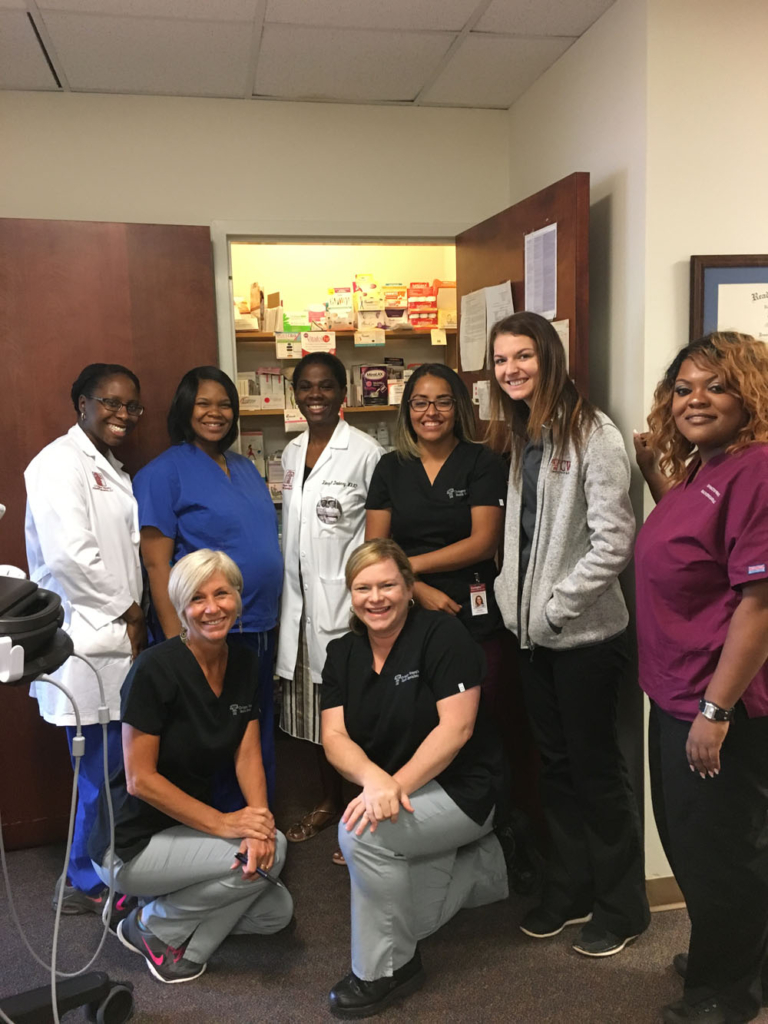
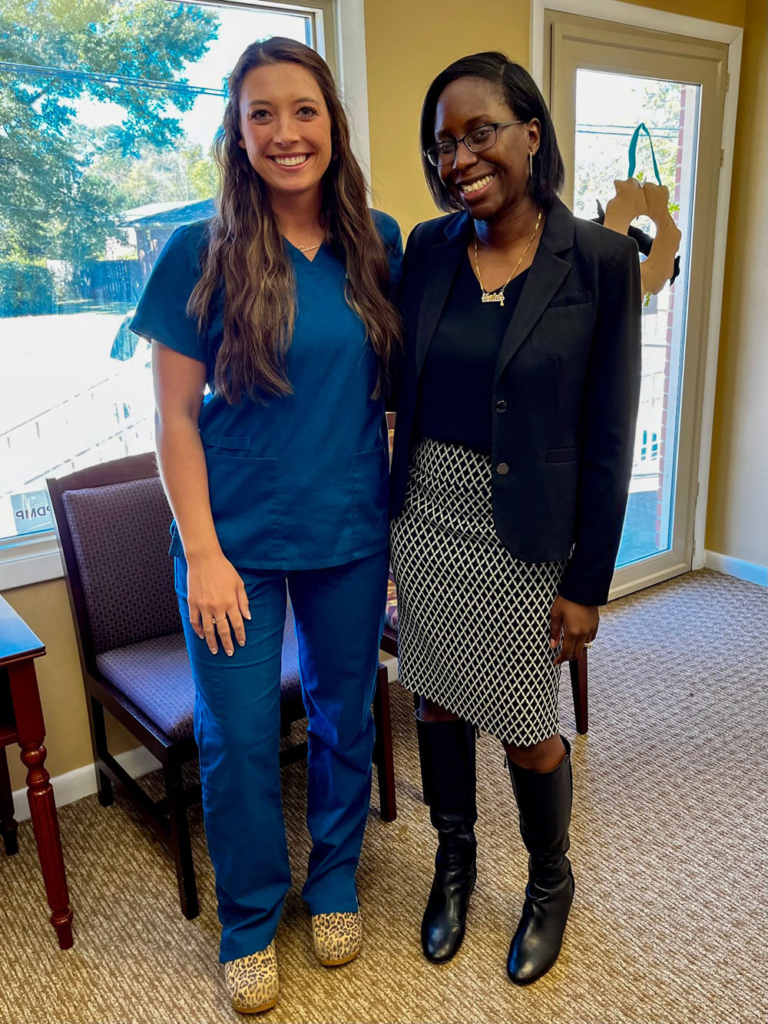
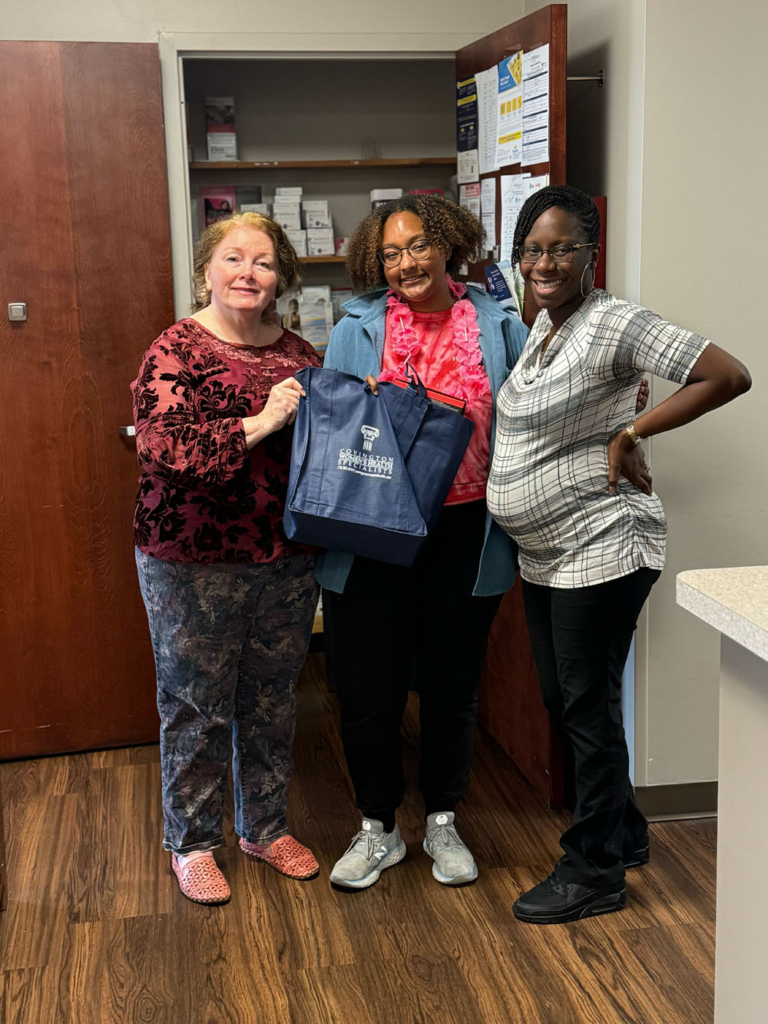
What gets me through? My people. I’m talking about the family members, friends, and coworkers who step in so I can step back when I need to.

Redefining the Village

Not everyone has family nearby—or family they can rely on. And that’s okay. Your village doesn’t have to look traditional to be powerful.

If your loved ones live far away or if you’re feeling isolated, create your village. Join a local breastfeeding or new mom support group, talk to your healthcare provider about postpartum resources, or explore programs like our CenteringPregnancy Program, where moms come together during pregnancy and build lasting relationships that carry into postpartum life.

In fact, many of the strongest mom friendships I’ve seen were formed not through family ties, but through shared experience—those late-night text threads, car seat tutorials in the parking lot, and “you’ve got this” pep talks from someone who’s walking the same road.

Whether it’s your best friend, a coworker, a doula, or someone you met at a prenatal class, your village is who you choose to let in.

How Loved Ones Can Support

To the partners, grandparents, coworkers, friends—this part is for you. You are essential.

Here are a few meaningful ways you can support the breastfeeding mom in your life:

1. Show Up Physically and Emotionally

Sometimes just being there makes a world of difference. Helping with diaper changes, bringing water, or holding the baby while mom showers can mean everything.

2. Run Interference

Protect her feeding or pumping time like it’s sacred. Whether that means managing other kids, handling phone calls, or telling visitors to wait, every little buffer helps.

3. Normalize the Process

Never make her feel like she has to hide or apologize for feeding her baby. Advocate for her comfort in public spaces or family gatherings.

4. Keep Her Fed and Rested

Breastfeeding burns serious calories and takes serious energy. Help by preparing nourishing meals, offering snacks, or letting her nap between feeds.

5. Be Her Emotional Anchor

Breastfeeding can be emotionally intense, especially if it’s not going as planned. Listen without judgment. Encourage without pressure. And remind her that she’s doing an incredible job.

It’s Okay to Ask for Help

To my fellow moms: I know it can be hard to ask for help. You might feel like you should be able to do it all. But you don’t have to. Let your village in. Let them bring the baby to your job. Let them stand outside with the car running, waiting to take milk home. Let them love you through this.

Because the truth is, breastfeeding isn’t just a one-person job. It takes a team—and a whole lot of grace.

This month, and every month, I’m honoring every woman nursing through tears, work shifts, growth spurts, and sleepless nights. Whether you’re on your feet in a hospital, leading a classroom, running your own business, or caring for others in your home—I see you. I am you. And with a little help from our village, we’ve got this.

Happy Breastfeeding Awareness Month!
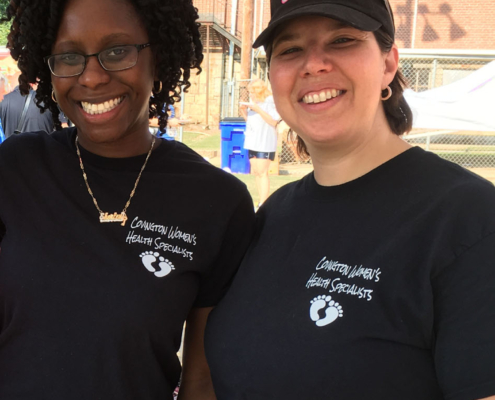
Dr. Sherley C. Samuels Celebrates 10 Years with Covington Women’s Health Specialists

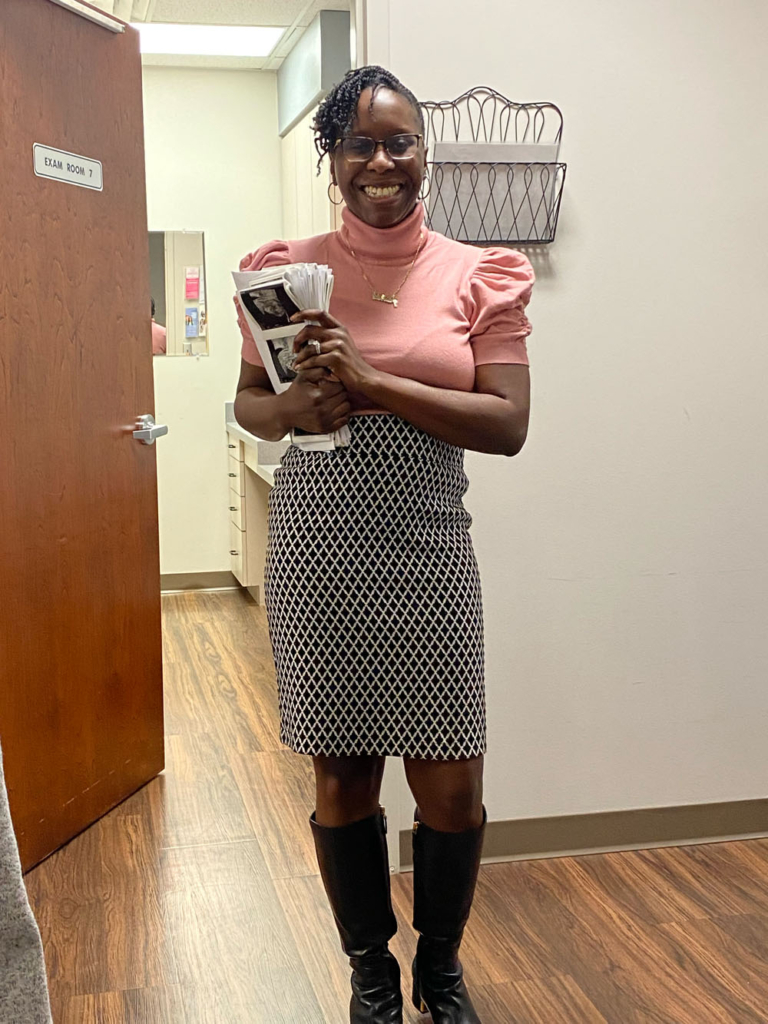
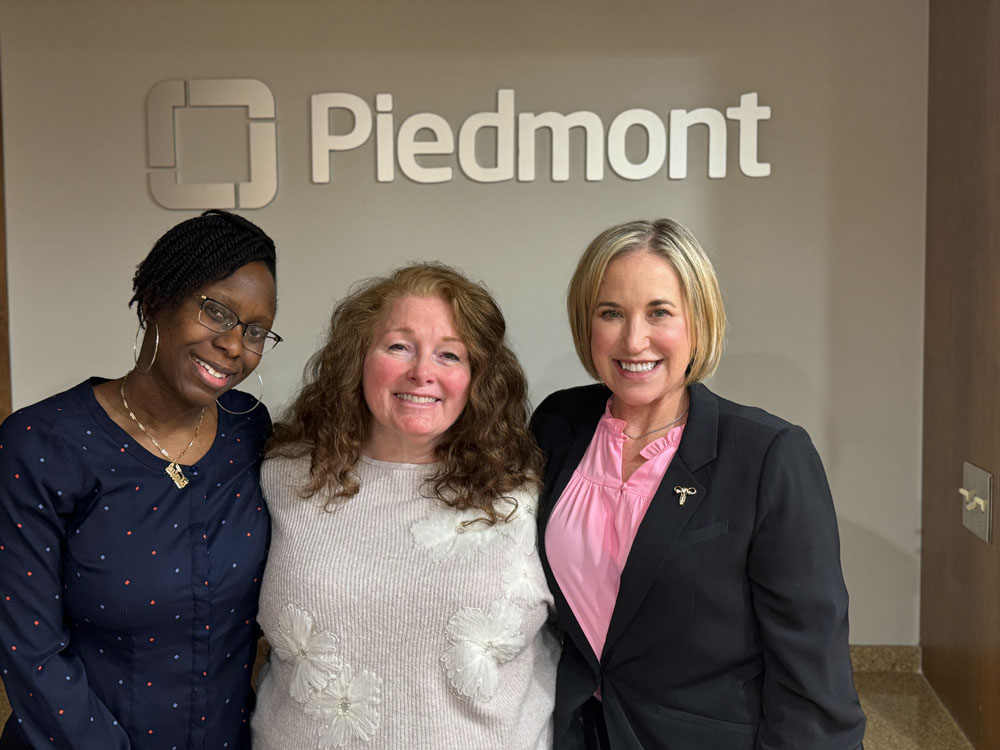
This year, we’re honored to celebrate a very special milestone: Dr. Sherley C. Samuels is marking a decade of service, compassion, and dedication to the women of our community here at Covington Women’s Health Specialists.

From a very young age, Dr. Samuels has brought passion and purpose to her role as an OB/GYN. That calling started early when she was six-years-old. After learning that her mother had lost a baby before birth, young Sherley asked a life-shaping question: “Who takes care of mommies so they don’t lose their babies?” Her mother answered that it was OB/GYNs, sparking a lifelong mission that Dr. Samuels has been fulfilling ever since.

A Journey of Compassion and Care

Dr. Samuels joined Covington Women’s Health Specialists in 2015, shortly after completing her residency. At the time, she was adjusting to new motherhood and searching for the right fit. Dr. Samuels was having trouble finding a place where her values and personality aligned with the practice’s mission. When Dr. Larrimore from Covington Women Health Specialists reached out just days before Dr. Samuels was about to commit elsewhere, everything changed. “The rest is history,” she says. “I’ve been here ever since.”

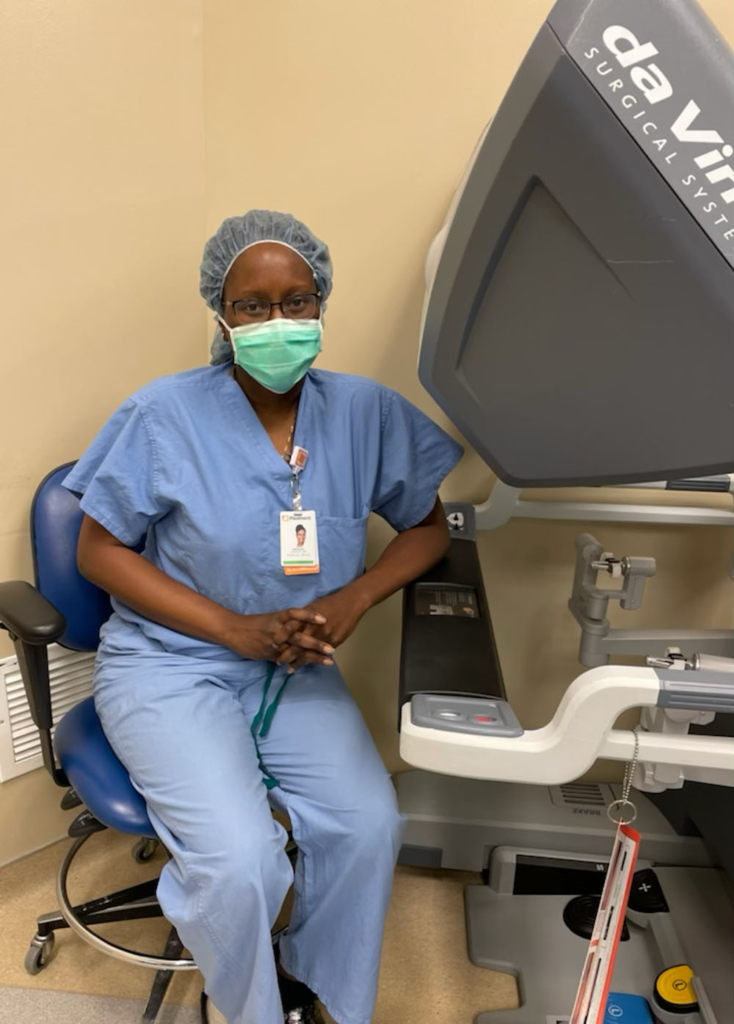
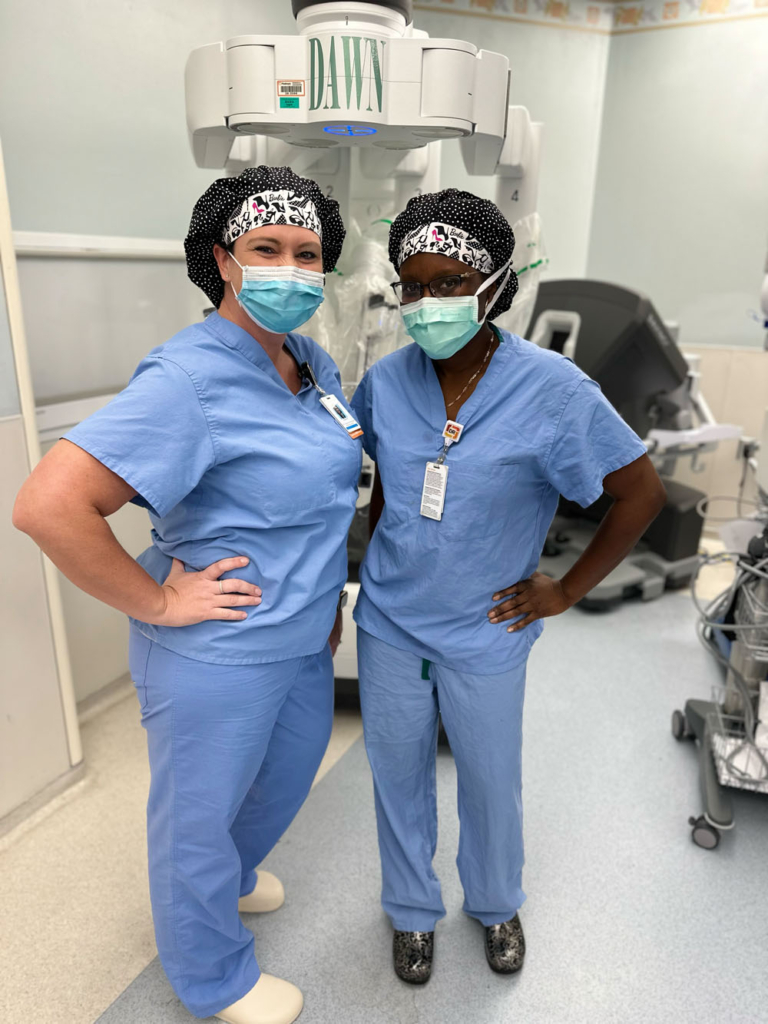
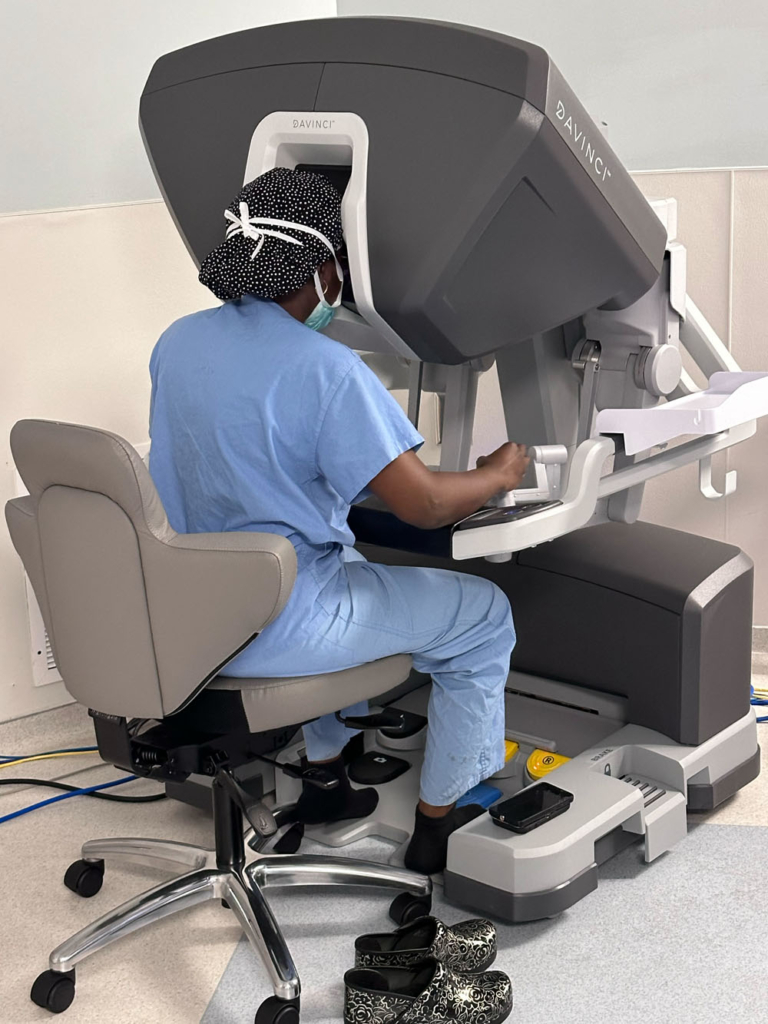
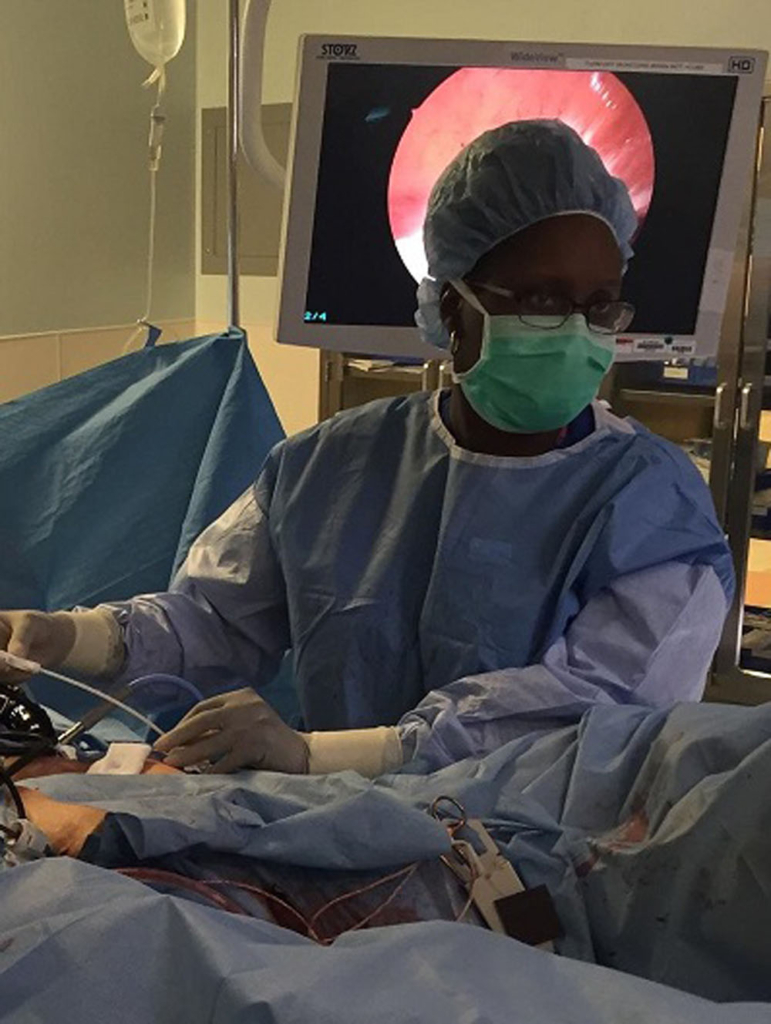
Over the past decade, Dr. Samuels has witnessed and embraced major advancements in women’s healthcare, which includes the growing use of robotic surgery in OB/GYN care, the rise of virtual patient communication, and early genetic screening. Dedicated to staying at the forefront of innovation, she earned her robotics certification after residency to offer patients the most advanced surgical options available.

Moments That Matter

While her list of memorable moments is long, one particular experience stands out. Early in her time at our practice, Dr. Samuels supported a patient through the heartbreak of a second-trimester pregnancy loss. When that same patient became pregnant again, Dr. Samuels performed a cervical cerclage, a procedure that helped her carry the pregnancy to term.

“As a brand-new attending, handing this patient her beautiful rainbow baby was such a powerful moment,” she recalls. “It brought everything full circle and reminded me that I’m exactly where I’m meant to be.”

Care Rooted in Connection

For Dr. Samuels, patient care is deeply personal. “I approach every patient like they’re my mother, grandmother, sister, or friend,” she says. That mindset, paired with her genuine connection to the women she serves, creates a space where patients feel supported through every stage of life from puberty to pregnancy to menopause and beyond.

“I’ve walked and am continuing to walk those very stages with them,” Dr. Samuels adds. “I impart knowledge to my patients, and I pick up new things from them in the process. It’s very beautiful when you think about it.”

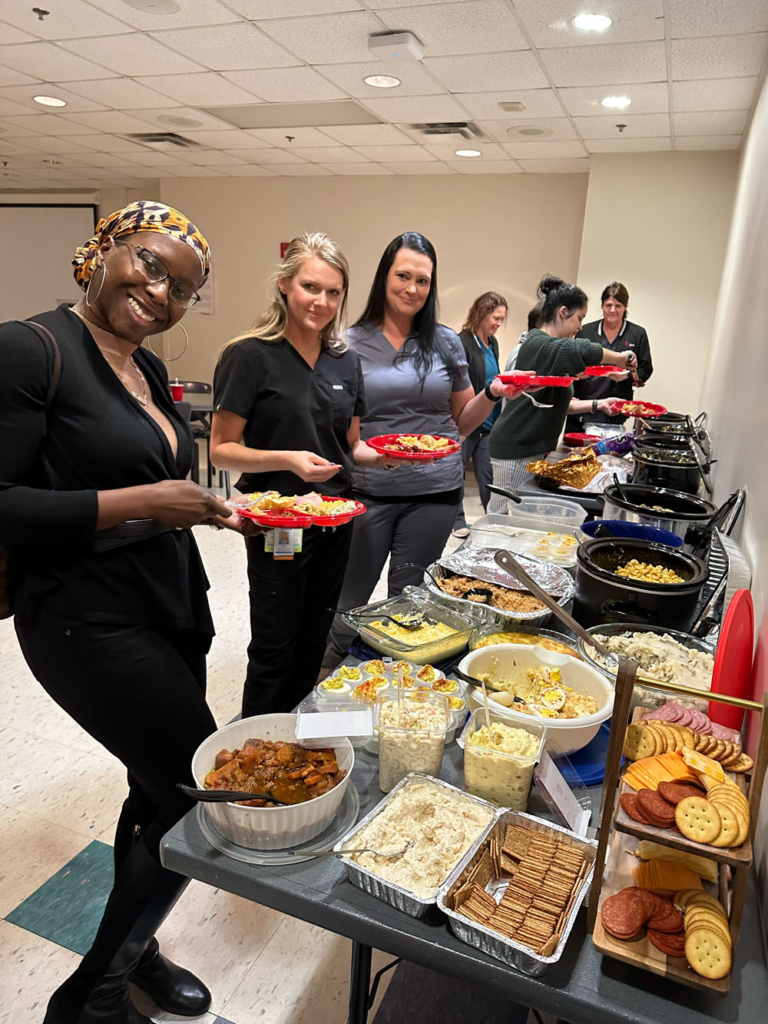
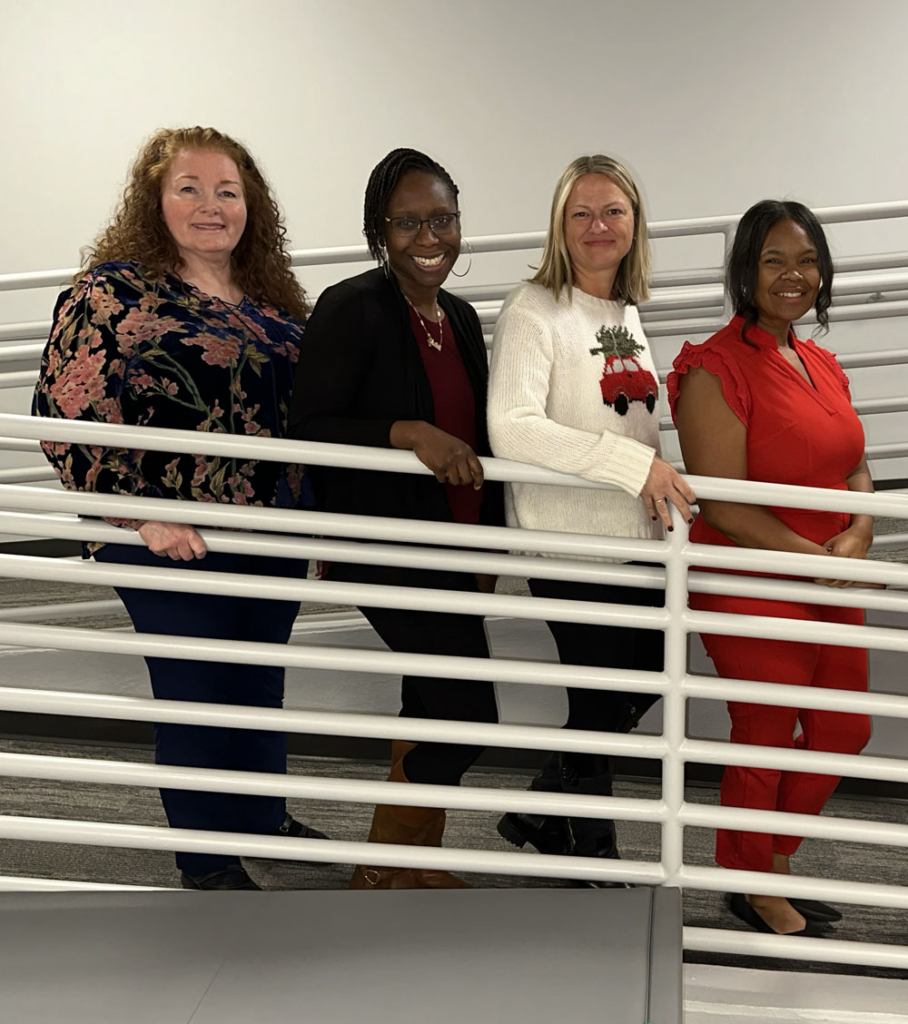
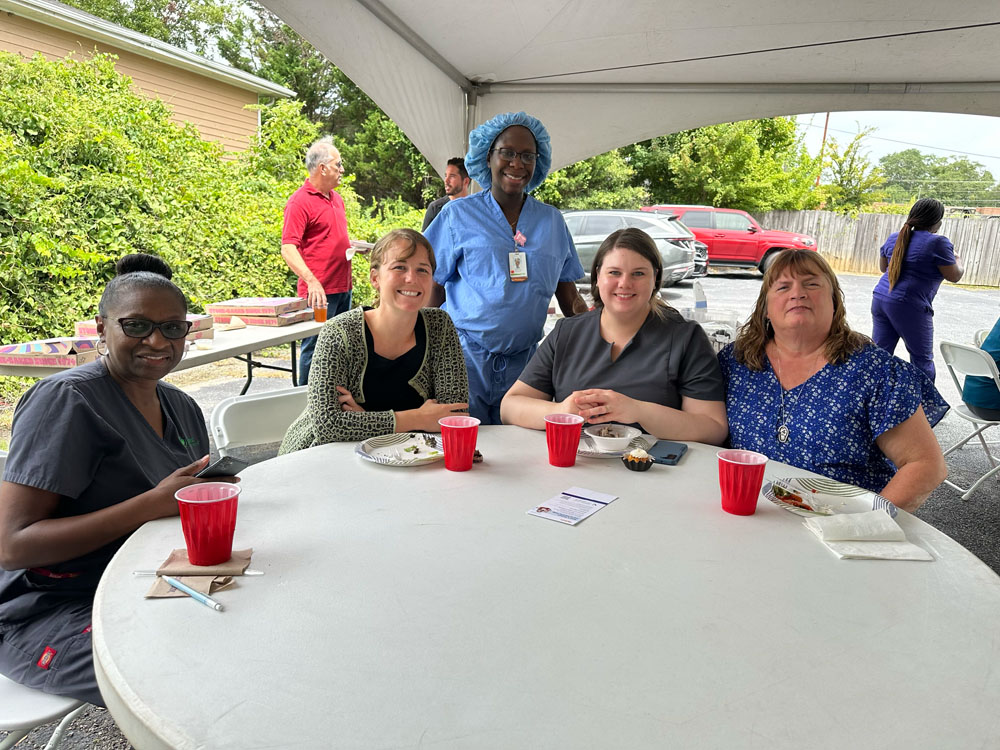
She finds equal fulfillment in the relationships she shares with her diverse group of colleagues. “What I love most is the pooling of knowledge and the profound respect we have for one another,” Dr. Samuels shares.

Growing, Giving Back, and Looking Ahead

Reflecting on her proudest achievements, Dr. Samuels points to earning her board certification in her first year out of residency. She’s continually committed to growing as a physician by researching and learning new procedures to expand her skillset. Above all, she takes the greatest pride in knowing she always gives her best to every patient. “Even when things haven’t gone as planned, I know I gave everything I could,” she says.

As she looks to the future, Dr. Samuels is excited about the opportunity to mentor young physicians, just as she was mentored in her early days at the practice. “I’m looking forward to paying it forward and helping a new doctor come into their own.”

More Than Medicine

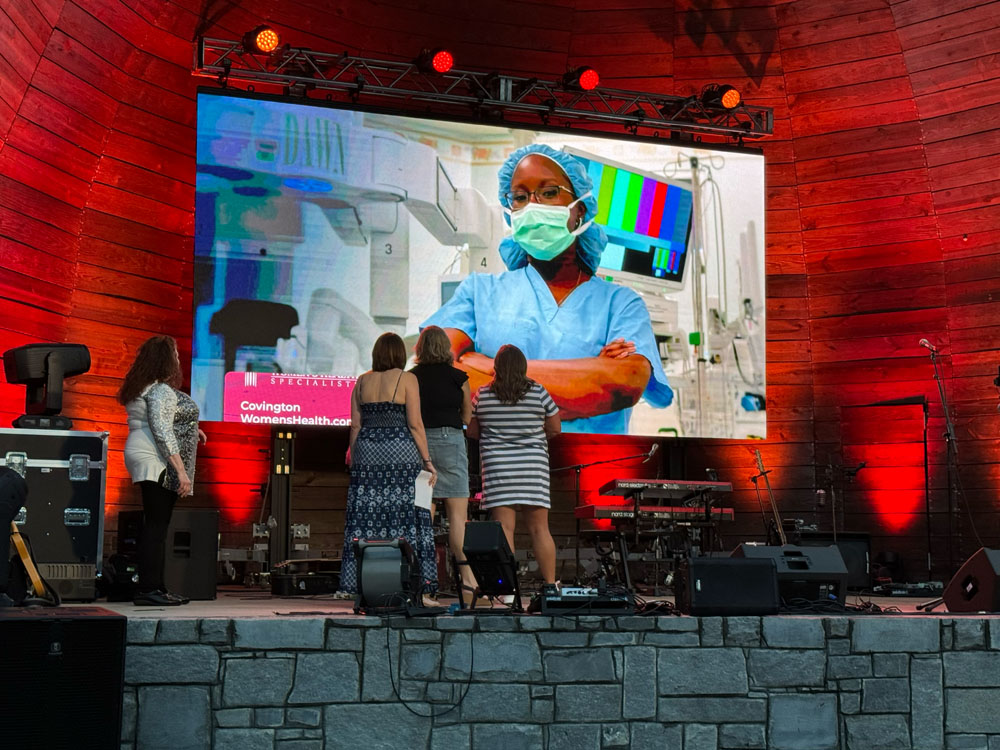
Outside of work, Dr. Samuels enjoys traveling, attending community events, listening to music, and spending time with her family, who play a central role in her life and her story. In fact, August 3rd, the date she joined our practice, is also her wedding anniversary, making this milestone celebration even more meaningful for her!

Please join us in congratulating Dr. Sherley C. Samuels on her 10-year anniversary at Covington Women’s Health Specialists! We are grateful for her decade of care, and we look forward to many more years of her leadership, compassion, and expertise.

Tips to Ease Your Menstrual Pain without Medication

If you experience period pain, you’re not alone. Nearly 85% of women report cramping during their menstrual cycles, which can range from a dull ache to sharp sensations in your lower abdomen.

No one wants to live in discomfort, but taking pain medications may give you pause. Even over-the-counter drugs, while effective, carry risks when used long-term: kidney issues, stomach ulcers, and gastrointestinal bleeding, to name a few. These medicines are generally considered safe in moderation, but frequent or prolonged use (especially with longer periods), can become concerning.

Fortunately, there are effective, medication-free ways to ease menstrual pain. If you’re looking for natural relief, here are some strategies worth considering.

Medication-Free Ways to Relieve Period Pain

Apply Heat

Research has revealed that heat therapy can be more effective than placebos in reducing menstrual pain, because it relaxes your uterine muscles and improves blood flow to your pelvic area. Whether you use a plug-in heating pad, microwaveable heat pack, or even a balmy bath, a little warmth can go a long way to soothe discomfort.

Stay Hydrated

“Drinking enough water helps your body release excess sodium and reduce water retention,” says Rachel Manciagli, NP, “thereby easing pressure in the lower abdomen and potentially reducing cramps and bloating.” Aim for eight to ten glasses of water daily, and sip herbal teas like chamomile or ginger for added anti-inflammatory benefits.

Relax and Reduce Stress

Stress and pain often amplify each other in a frustrating cycle. Dealing with pain can make you more stressed, but stress has also been shown to increase sensitivity to pain. Relaxing activities like journaling, meditation, getting a massage or taking a walk may help you stay at ease when you’re on your period.

Get Moving

Exercise might be the last thing you feel like doing when you have cramps, but even light movement can reduce period pain. Aerobic activity boosts circulation and releases beta-endorphins, your body’s natural pain relievers. Make time for a brisk walk, swimming, cycling, or any other activity that gets your heart rate up.

Consider Your Diet

A healthy diet may not eliminate period pain altogether, but your nutritional choices could have an effect on its severity. Foods rich in calcium, vitamin D, and omega-3 fatty acids have been linked to reduced period symptoms. Lots of caffeine, salty foods, and animal fats may lead to more severe cramping, on the other hand.

Maintain a Healthy Weight

While everyone’s body is different, research shows that excess body weight could contribute to more painful periods. This may be due to higher estrogen levels, which can thicken your uterine lining and amplify cramping. If managing your weight is one of your health goals, a balanced diet and regular activity can support both this endeavor and your menstrual health.

Get a Good Night’s Sleep

Sufficient sleep can reduce inflammation, aid in tissue repair, and support the production of natural painkillers, such as endorphins and serotonin—all of which can control your cramps. Try to be especially diligent about clocking seven to eight hours as your period approaches.

Limit Alcohol

Alcohol can dehydrate your body, disrupt hormone levels, and increase inflammation. If you’re experiencing severe symptoms, think about reducing your alcohol intake, or opt for non-alcoholic alternatives.

Avoid Smoking

Smoking has been associated with increased menstrual pain, which is likely due to its effects on blood vessels and inflammation. If you smoke, quitting can have profound benefits not just for your menstrual health, but for your long-term wellness, too.

Your menstrual cycle and overall gynecologic wellness are complex, and call for the care of specialists with experience and a deep understanding of women’s health. Whether you have a concern about your periods or you’re due for a routine exam, our providers are here to help. To schedule a visit, submit an appointment request form online or call our office at (770) 385-8954.

The Importance of Establishing Prenatal Care with an Office Visit

ATTENTION PATIENTS:

We understand that some maternity patients may choose to receive prenatal care elsewhere for scheduling convenience, while still planning to deliver with our team at Piedmont Newton Hospital.

If this applies to you, please make sure to schedule a prenatal consultation at a Covington Women’s Health Specialists office.

Why this matters:

When you’re admitted to the hospital, an on-call provider is assigned. If you’re not established as a patient of Covington Women’s Health Specialists, your delivery may be managed by a provider outside our practice. This provider may not be familiar with your birth plan. By having a prenatal visit with us, we can ensure that one of our trusted providers is there for your delivery.

This visit also gives us the opportunity to review your preferences and support a safe, personalized birth experience.

We’re honored to care for you every step of the way! Make your prenatal care appointment with us today.