

So You’ve Been Diagnosed with PCOS…Now What?
Understanding goals and treatment options for managing polycystic ovarian syndrome (PCOS), a common hormonal condition
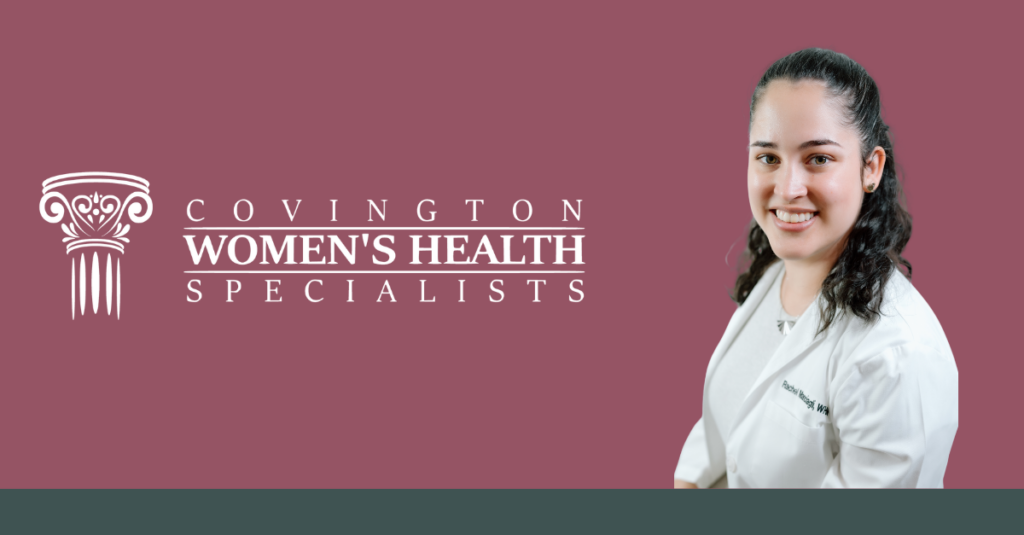
Written By Rachel Manciagli, NP
Being diagnosed with PCOS can bring some mixed feelings. Sometimes people feel relieved that they have an explanation for their symptoms and other times people are overwhelmed or confused about what this means for their health and future. Let’s explore some options for what the next steps can look like.
Our Goal: Helping You Understand the Health Implications of PCOS
Endometrial health — The inner lining of your uterus is called the endometrium. In a “normal” menstrual period, the endometrium builds up and thickens throughout the month, then sheds itself leading to menstrual bleeding. With PCOS this process is not always occurring on a regular basis. The endometrial lining being too thick for too long can lead to endometrial changes, the most concerning of which is endometrial cancer. To protect the health of the endometrium it is important for the endometrium to remain a normal thickness either through regular shedding with menstrual periods or by suppressing its growth through the use of medications.
Metabolic health — People with PCOS have a higher risk of developing other medical conditions such as type 2 diabetes, high cholesterol, and obesity. Maintaining a healthy lifestyle is especially important in this population, whether through diet and exercise or the use of medications. Your OBGYN team along with your other healthcare providers such as primary care, cardiology, and/ or endocrinology, can help to work towards these goals.
What Is Your Goal?
For some people a PCOS diagnosis comes while trying for pregnancy. PCOS can sometimes show up as irregular menstrual periods or not ovulating on a predictable schedule. Taking at-home Ovulation Prediction Tests can help to get an idea of if your body is releasing an egg every month. A common first line treatment for folks with PCOS who desire pregnancy is the use of a daily medication called Metformin. Metformin is working to change the way your body processes insulin, which in turn has an effect on the reproductive hormones and can help promote regular ovulation. If pregnancy is not achieved within a few months of starting Metformin, then we can move on to other steps.
For others with PCOS the most troublesome symptom is irregular or absent menstrual periods. While maintaining a healthy weight and lifestyle can help with regulating cycles, hormonal contraception is a common tool for folks who do not desire pregnancy in the immediate future. Hormonal birth control is used to either make periods more predictable or to suppress your menstrual cycles altogether. Options include pills, patches, rings, Depo Provera injections, or a hormonal IUD.
Finally, others find the cosmetic effects of PCOS to be distressing. Some people with PCOS can have more hair growth or acne on the face, chest, or stomach, and sometimes PCOS can make maintaining a healthy weight more difficult. Medications like spironolactone can help with acne and unwanted hair growth and weight loss medications like GLP1s or oral options can be useful tools, though these sometimes require the use of reliable birth control due to risks of use during pregnancy and will need to be managed by your primary care provider.
Wrap Up
PCOS can have an effect in many areas of your life and can span a lifetime. Covington Women’s Health Specialists is here to help on your journey to diagnosis and management and will help on the journey to your healthiest, happiest life. If you have a diagnosis of PCOS or suspect you may have it, schedule an appointment with one of our women’s health providers today so we can begin your care together!