

A Lasting Impact: Pioneers, Advocates, and Innovators of Black History Month
Week Four: Shaping the Next Generation
As we enter the final week of our Black History Month series, we reflect on the enduring impact of Black pioneers, advocates, and innovators whose contributions continue to shape medicine, public health, veterinary science, and research today.
Through our partnership with the Fort Valley State University MANRRS Chapter, we are honored to share this final collection of student-written tributes. These stories highlight scientific excellence, ethical leadership, resilience, and a steadfast commitment to expanding access and equity in healthcare.
Day 22: Evelyn Nicol
Born in Little Rock, Kentucky, on June 2, 1930, Evelyn Carmon Nicol was an African American immunologist and microbiologist who made groundbreaking contributions to the medical field. In her early years, Evelyn was expected to lead a traditional life and study home economics. However, she instead chose to pursue studies in chemistry and mathematics at Tuskegee University, soon graduating at the top of her class. It was after her collegiate journey that she began her career at the Carver Research Foundation, where she significantly contributed to culturing HeLa cells that helped develop the early polio vaccine. In 1985, she led the retrovirology division, which produced testing kits for blood-borne diseases such as HIV and human T-cell lymphotropic virus. Her work in virology and immunology gained recognition, leading to further research opportunities at major medical centers. She joined Abbott Laboratories in 1962 and advanced to become a molecular biologist and authored several scientific publications.
On January 6, 1976, Nicol was awarded a patent in molecular biology for developing an alternative method to produce urokinase, an enzyme that had previously been produced only from kidney tissue. She later developed a screening test to determine whether pregnant women were exposed to infection or parasites. Evelyn Nicol left a significant scientific legacy for future Black women.
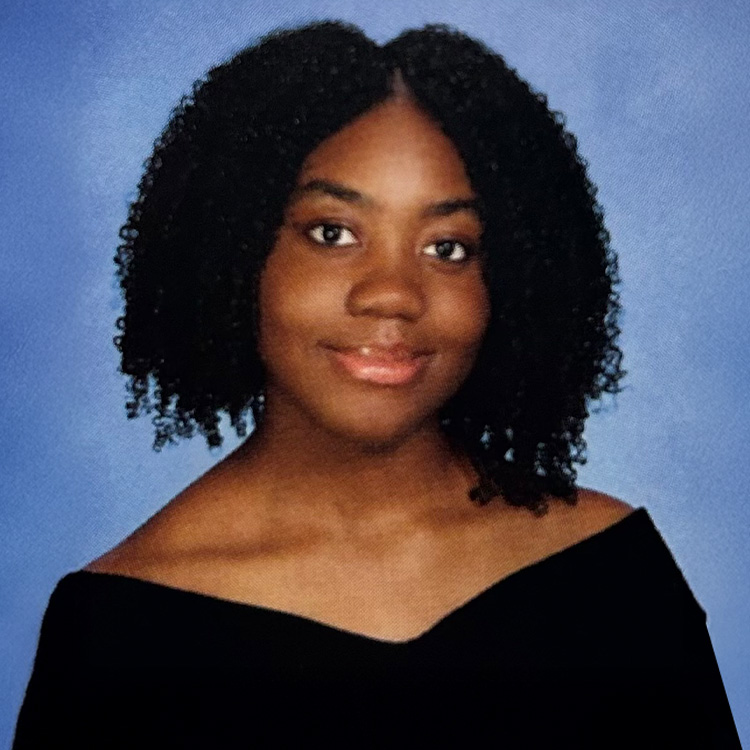
Written by Katelin C. Coleman
Major: Animal Science scholar, Fort Valley State University
Future Endeavor: Mixed Animal Gastroenterologist and Nutritionist
Day 23: Dr. Cherice Roth
Dr. Cherice Roth is known as a Black veterinarian whose career reflects leadership, innovation, and a commitment to equity within the medical field of veterinary science. She earned her Doctor of Veterinary Medicine (DVM) degree from Texas A&M College of Veterinary Medicine after completing a master’s degree in biochemistry at the University of North Texas Health Science Center. To further strengthen her medical skills, Roth trained in exotic animal medicine and surgery in Australia. After returning to the United States, she worked in companion animal hospitals, where she mentored veterinary assistants and fellow doctors. These experiences helped establish her as both a skilled clinician and an influential leader in veterinary medicine.
Dr. Roth later expanded her impact through clinical, industry, and administrative roles, eventually becoming a chief veterinary officer. She helped develop RACE-approved Virtual Care University and the MyPetDoc platform, which improved access to veterinary care through virtual and remote veterinary services. Roth believes this model of care can reduce health disparities in pets and help address mental health challenges faced by veterinary professionals. In addition to her leadership work, she serves on advisory boards for the Multicultural Veterinary Medical Association and Veterinary Professionals Instilling Black Excellence. Her contributions have modernized veterinary medicine while promoting diversity, accessibility, and health equity within the field.
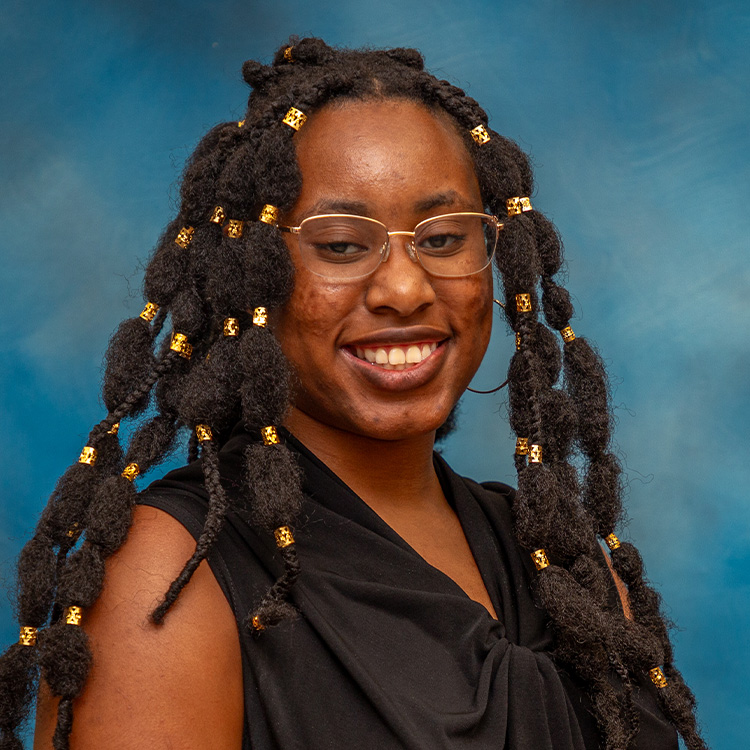
Written by Keira Hankerson
Major: Animal Science, Fort Valley State University
Future Endeavor: Veterinary Medicine, Financial Literacy Educator
Day 24: Dr. Beverley Ann Townsend
Dr. Beverley Ann Townsend is a native of Winona, Mississippi. She graduated college from Jackson State University in Jackson, MS with a B.S. in Chemistry. She then received a Master’s in Pharmacology and Toxicology from Purdue University and her Doctor of Medicine (MD) degree from the University of Mississippi. Dr. Townsend completed a residency in Family Medicine at the Medical Center in Columbus, GA. Lastly, she received her MBA from Kennesaw State University in Kennesaw, GA.
Dr. Townsend has worked in the Chattahoochee Valley in various practice settings including rural medicine, multispecialty practice, and solo private practice for nearly 25 years. Currently, Dr. Townsend is the Columbus, GA Commissioner of Public Health and the he District Health Director for the West Central Health District (District 7); additionally, she is the Interim Health Director for the District 4 Health District, District 4 in LaGrange, GA.
She has received numerous awards including two Presidential Rosa Parks Women of Courage awards, the Black History Maker award, the American Public Health Award, the Physician’s Award for Community Service from the Medical Association of Georgia, the Nikki T. Randall Servant Leader award from the Georgia House of Representatives, and is recognized in the 50 Most Influential African Americans in Columbus, GA.
Dr. Townsend is dedicated to serving populations in rural, underserved and underprivileged areas.
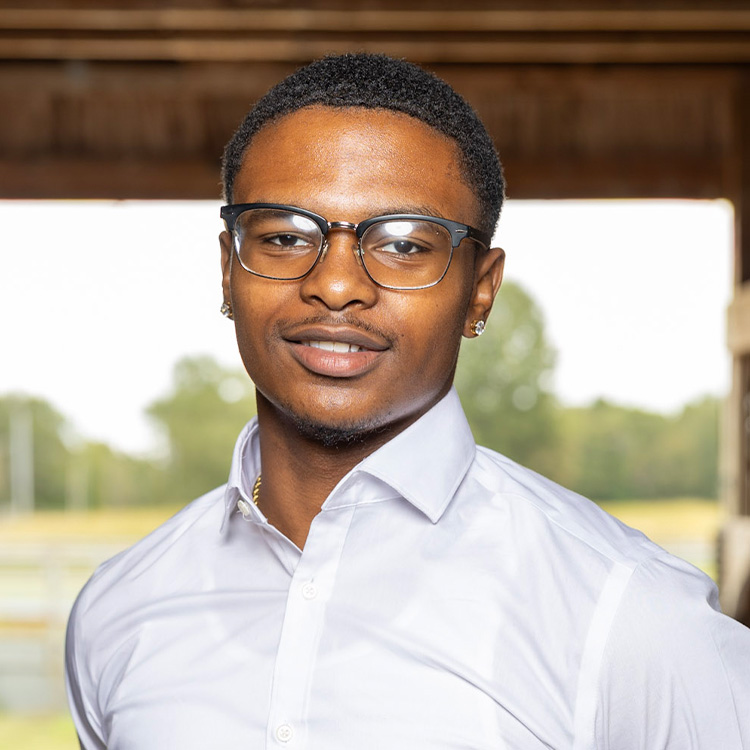
Written by Ja’Von Martin
Major: Supply Chain and Logistics Management
Future Endeavor: Entrepreneurship within the pharmaceutical industry, Enlist in US military
Day 25: Dr. Jane Hinton
Dr. Jane Hinton was a pioneering Black woman in medicine whose work made a lasting impact on both human and animal health. She was a veterinarian and medical researcher who helped develop Mueller–Hinton agar, a laboratory growth medium still widely used today. This agar plays a critical role in testing antibiotic effectiveness in both medical and veterinary settings. Dr. Hinton’s work strengthened the connection between scientific research and real-world medical treatment. Her contributions continue to support advancements in microbiology and animal health.
Dr. Hinton earned her Doctor of Veterinary Medicine degree from the University of Pennsylvania in 1949, a time when very few Black women had access to veterinary or medical education. This achievement is especially striking because it was not that long ago in history. Today, Black veterinarians remain significantly underrepresented, making up only about 1.2 to 2.2 percent of individuals holding a DVM degree. This highlights how barriers to access in veterinary medicine still exist. Dr. Hinton’s legacy continues to inspire students pursuing animal science and veterinary careers to help close that gap.
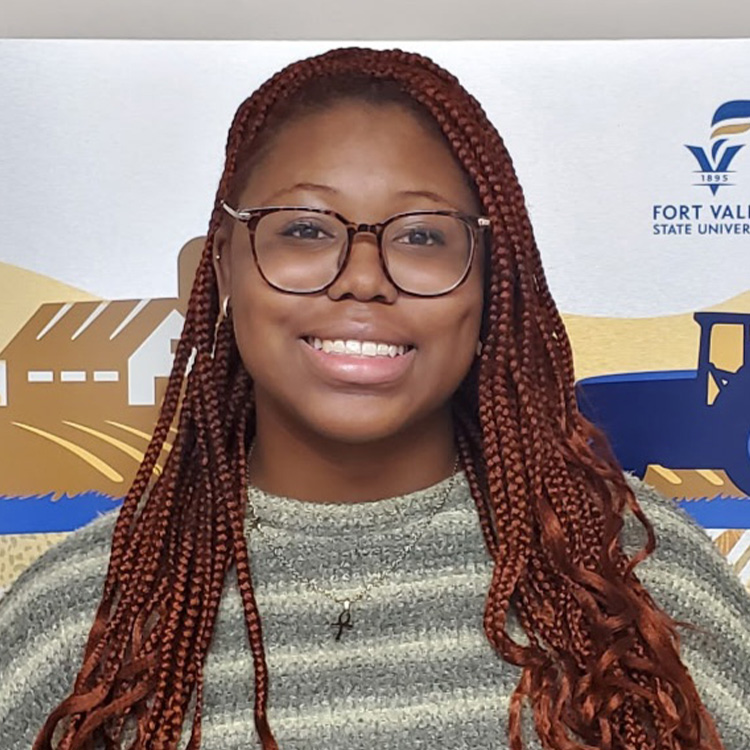
Written by Marqecia Ellerbee
Major: Animal Science major, Fort Valley State University
Future Endeavor: Veterinarian (large animal)
Day 26: Dr. Lillian Beard
Dr. Lillian Beard is a pediatrician who uses modern media to make “house calls,” reaching an audience of patients at home. These house calls are her use of mass communication (television, internet, print media) to provide health education to a broad audience in their homes, rather than physically visiting patients’ residences.
Her contributions to the medical field were as a national spokesperson for the American Academy of Pediatrics, representing the academy’s 48,000 members on issues relating to the health and welfare of children and adolescents. She also has practiced pediatrics for over 50 years, primarily in the Washington, D.C., and Silver Spring, Maryland, areas, including serving as the Physician Director at Children’s Pediatricians and Associates. She has held leadership roles within the National Medical Association (NMA)—where she is a Hall of Fame member—and the American Medical Women’s Association (AMWA). Dr. Beard is also one of fifteen women to graduate from the Howard University College of Medicine in class of 100 (Class of 1970), and she is considered a pioneer for women of color in the field. Dr. Beard published Salt in Your Sock and Other Tried-and-True Home Remedies, which combines traditional holistic treatments with medically sound evidence. She has appeared as a health expert on major programs including Good Morning America, CNN’s Health Accent, and ABC’s Home Show. Dr. Beard has also received eight AMA Physician Recognition Awards between 1973 and 2000. Dr. Beard was also awarded the “Global Initiative for Telemedicine Award of Merit” in 1998 for her contributions to digital health communication.
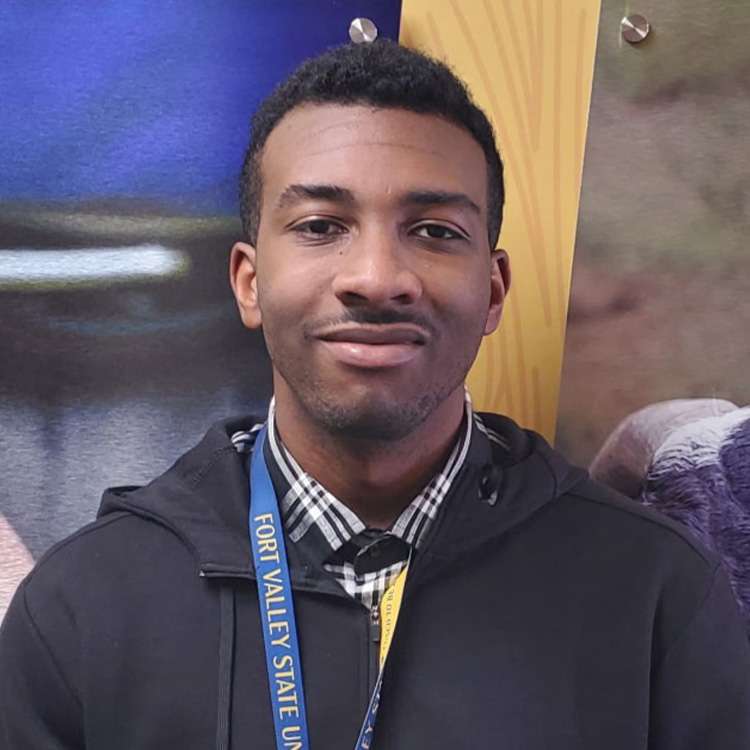
Written by Christopher A. Parker
Major: Agricultural Economics, Fort Valley State University
Future Endeavor: Agricultural Specialist with John Deere
Day 27: Dr. Raven Jackson-Jewett
Dr. Raven Jackson-Jewett is a prominent veterinarian who serves as the attending veterinarian and Director of Veterinary Care at Chimp Haven, the world’s largest chimpanzee sanctuary located in Keithville, Louisiana. Since 2010, she has overseen the medical care of more than 300 chimpanzees, many of whom are considered “retirees” after transitioning from biomedical research, the pet trade, or the entertainment industry. Her compassionate and nurturing approach to animal care reflects her deep commitment to animal welfare and ethical science. Dr. Jackson-Jewett is especially known for her pioneering work using antiretroviral therapy to treat chimpanzees previously infected with HIV/AIDS during research, allowing them to live healthy, long-term lives at the sanctuary.
Dr. Jackson-Jewett’s work and dedication were highlighted in the six-part National Geographic documentary series Meet the Chimps, which premiered on Disney+ in 2020. As a Black woman in a field where nearly 90% of veterinarians are white, she actively uses her platform to inspire underrepresented youth and advocate for diversity in STEM careers. She earned her Doctor of Veterinary Medicine from the Tuskegee University College of Veterinary Medicine in 2009 and later contributed a chapter to Chimpanzee Memoirs (2022), sharing personal stories and professional insights from her career. Overall, her work continues to advance animal welfare, representation in science, and compassionate care in veterinary medicine.
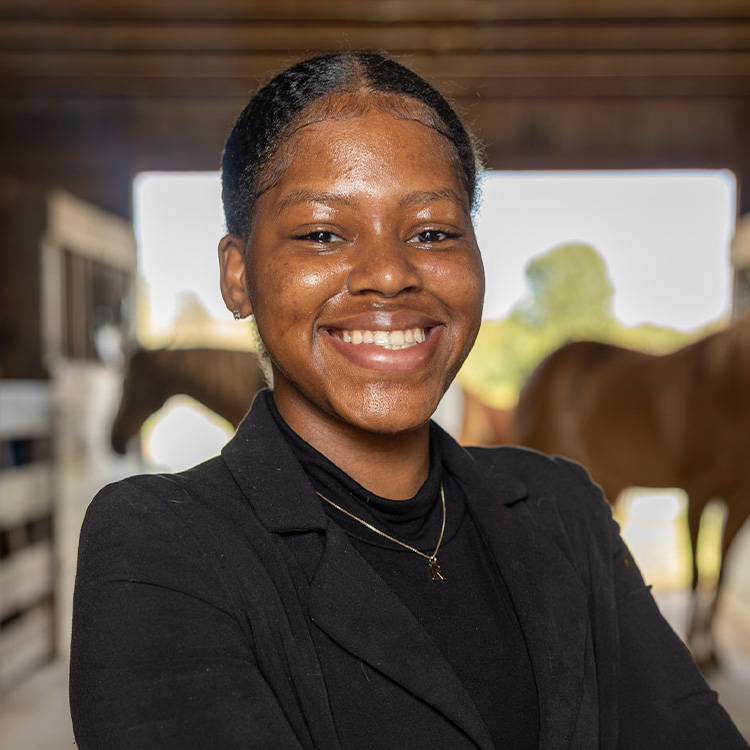
Written by Ci’Amber Crockett
Major: Animal Science, Fort Valley State University
Future Endeavor: Research Scientist specializing in Animal Rehabilitation
Day 28: Betsey, Lucy, and Anarcha Days of Recognition
As Black History Month comes to a close and Women’s History Month begins, we pause to acknowledge Betsey, Lucy, and Anarcha, three enslaved Black women whose suffering and exploitation were used in the name of medical advancement.
On February 28 and March 1, American College of Obstetricians and Gynecologists (ACOG) formally recognizes their lives and the lasting impact their experiences had on the field of obstetrics and gynecology. The care millions receive today is connected to their story — one that calls us to practice medicine with humility, ethics, and equity.
We honor their memory by committing to compassionate, respectful care for every patient, always.
We are deeply grateful to the students of Fort Valley State University for honoring these legacies through thoughtful research and powerful storytelling. Their voices represent the next generation of leaders who will continue advancing equity, compassion, and excellence in their respective fields.
Black history is not confined to a single month. It is a living legacy carried forward through action, advocacy, and commitment. May these stories inspire us all to contribute meaningfully to the future of healthcare.