

Stories of Impact: Pioneers, Advocates, and Innovators of Black History Month
Week Two: Expanding Access and Opportunity
As we continue our Black History Month series, Stories of Impact: Pioneers, Advocates, and Innovators, Week Two builds on the legacies of healing, innovation, and leadership introduced in our first week.
Through our collaboration with the Fort Valley State University MANRRS Chapter, we are proud to share another collection of student-written features honoring Black women whose contributions have shaped medicine, science, nutrition, public health, and healthcare access.
DAY 8: Flemmie Pansy Kittrell
Flemmie Pansy Kittrell was born in North Carolina in 1904 to sharecropping parents and began working as a cook and maid at a young age, which sparked her interest in nutrition and child well-being in Black and low-income families. She became the first African American woman to earn a PhD in nutrition, graduating from Cornell University in 1936 during an era of intense racial segregation. This achievement marked her as a major educational trailblazer in nutrition science. From 1944 to 1971, Kittrell served as the head of the Home Economics Department at Howard University. While there, she led a study through an experimental nursery school on campus. This research later became a model for the federal Head Start program, which supports early education, health, and wellness for children from low-income families.
Kittrell was also a dedicated public health advocate whose research focused on reducing health disparities in underserved communities. She traveled internationally to improve nutrition and public health outcomes. During her work in Liberia, she coined the term “hidden hunger” to describe vitamin deficiencies in individuals who consumed enough food but lacked proper nutrition. Overall, her contributions greatly advanced the understanding of how diet, health, and socioeconomic status are interconnected and continue to influence efforts toward health equity.
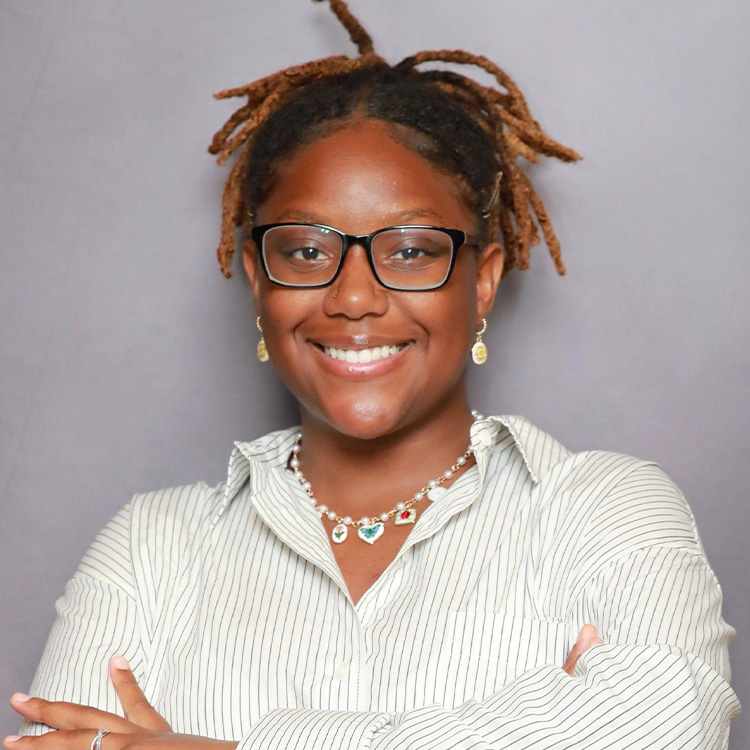
Written by Nylah Simpson
Major: Animal Science, Fort Valley State University
Future Endeavor: Master’s Degree in Nutrition; secured post-graduation position with USDA
Day 9: Dr. Mae C. Jemison
Dr. Mae C. Jemison is a physician, engineer, and former NASA astronaut who made history as the first African American woman to travel into space in 1992 aboard the Space Shuttle Endeavour. She earned her medical degree from Cornell University and later worked as a general practitioner and Peace Corps medical officer, providing healthcare in underserved communities. Her career reflects a deep commitment to using science and medicine to improve lives around the world. Through her achievements, she has inspired countless Black women to pursue careers in medicine, science, and technology.
Beyond her medical work, Dr. Jemison has been a strong advocate for diversity and inclusion in STEM fields. She founded the Jemison Group and the international science camp, The Earth We Share, to encourage young people, especially girls of color in exploring science and medicine. Dr. Jemison continues to speak globally about education, innovation, and social responsibility. Her legacy represents excellence, perseverance, and expanded opportunities for Black women in medicine and beyond.
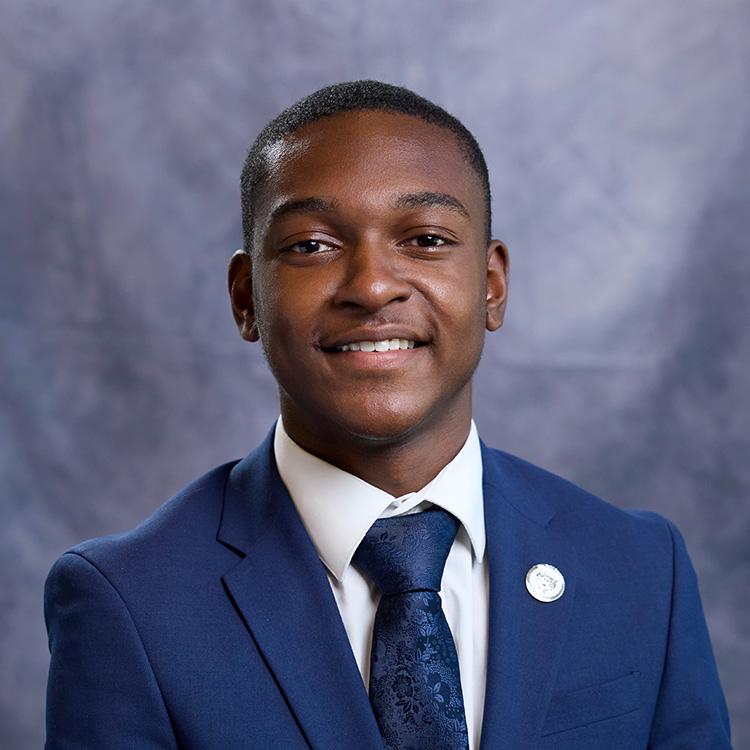
Written by Amari Parker
Major: Agriculture Economics, Fort Valley State University
Future Endeavor: Agricultural Engineer
Day 10: Alice Augusta Ball
Alice Augusta Ball was a brilliant chemist whose work made a lasting impact on medicine, despite her life being tragically short. Born in 1892, she became one of the first Black women to earn a master’s degree in chemistry and was the first Black woman to graduate from the University of Hawaiʻi. While working there, Ball developed an innovative and effective treatment for leprosy (Hansen’s disease) using compounds derived from chaulmoogra oil. Her method transformed the oil into a form that could be safely injected and absorbed by the body, offering real hope to patients at a time when few treatments existed. This breakthrough, later known as the “Ball Method,” significantly improved outcomes for people suffering from the disease.
Despite the importance of her discovery, Alice Ball did not receive proper credit during her lifetime. After her death at just 24 years old, her work was taken and publicly credited to a male colleague, delaying recognition of her contributions for decades. Today, Ball is celebrated as a pioneer for women in medicine and a powerful figure in Black history, representing both scientific excellence and the challenges faced by Black women in academic and medical fields. Her legacy serves as an inspiration, highlighting the importance of equity, recognition, and diversity in medicine and scientific research—values that remain essential during Black History Month and beyond.
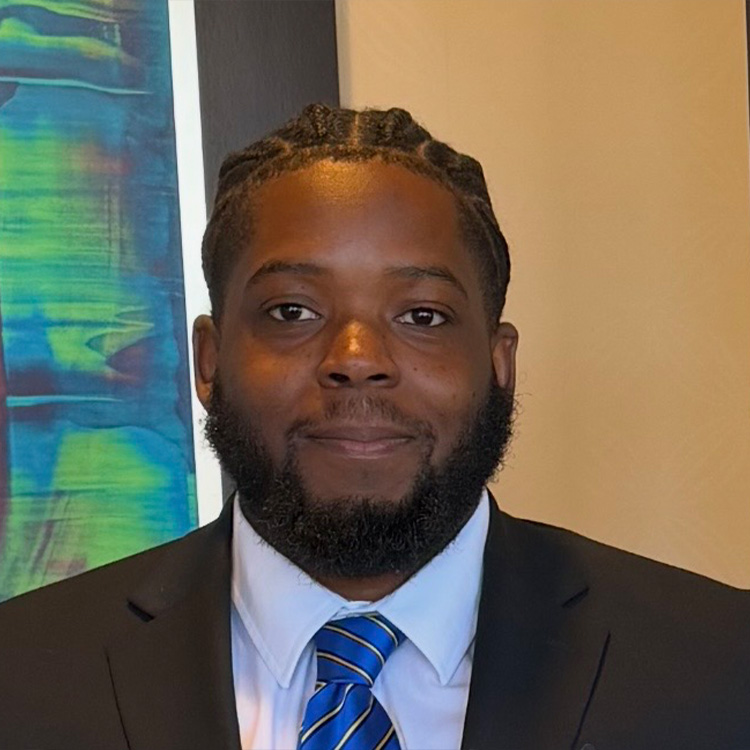
Written by: Zarien Vilsaint
Major: Plant Science with minor in Accounting, Fort Valley State University
Future Endeavor: Plant based medicine research scientist/Pharmaceutical medicine
Day 11: Dr. Rebecca J. Cole
Dr. Rebecca J. Cole was a pioneering physician and one of the earliest Black women to break barriers in American medicine. In 1867, she became the second Black woman in the United States to earn a medical degree, graduating from the Woman’s Medical College of Pennsylvania. At a time when both racial and gender discrimination severely limited opportunities in healthcare, Dr. Cole remained committed to serving those most in need. She focused her medical career on providing care to poor and underserved communities, particularly women and children who lacked access to basic medical services.
Dr. Cole was deeply involved in public health efforts and worked with organizations such as the New York Infirmary for Women and Children, which had been founded by Drs. Elizabeth Blackwell and Marie Zakrzewska. Through her work, she emphasized preventive care, hygiene, and education as essential components of health. Her dedication helped improve healthcare access for marginalized populations and laid important groundwork for future generations of Black women in medicine. Dr. Cole’s legacy endures as a symbol of perseverance, service, and commitment to health equity.
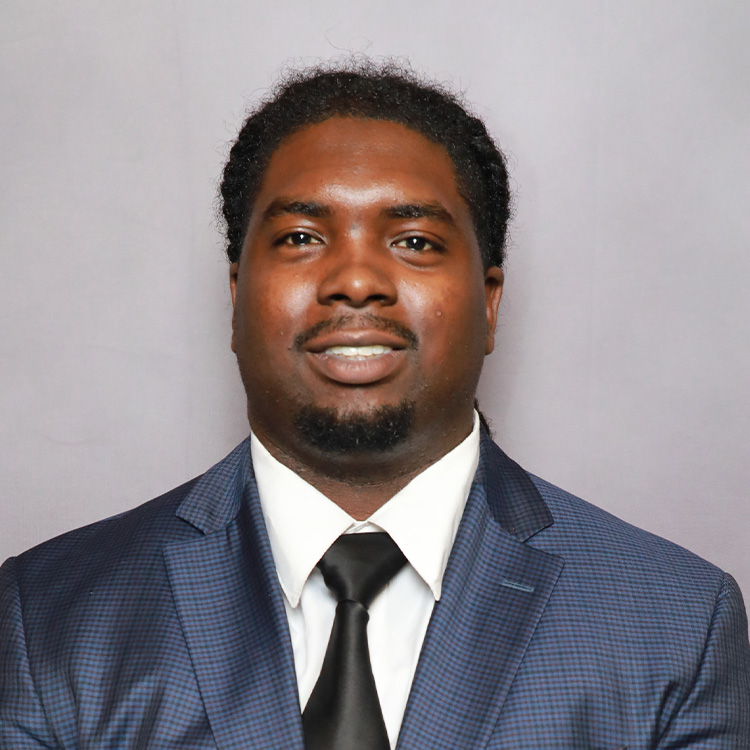
Written by Edward Carter III
Major: Agricultural Economics, Fort Valley State University
Future Endeavor: Agricultural Commodity Trader
Day 12: Dr. Helen Octavia Dickens
Dr. Helen Octavia Dickens was an innovative American doctor whose contributions revolutionized obstetrics and gynecology, simultaneously improving access to healthcare and education for marginalized populations. Dickens studied to become an obstetrician-gynecologist during a period when African American women encountered significant obstacles in the medical field. She was among the first African American women to achieve board certification in obstetrics and gynecology and subsequently became the first woman to lead the Department of Obstetrics and Gynecology at Meharry Medical College, a historically Black medical institution. Her guidance advanced the training for doctors destined to assist underserved communities throughout the United States
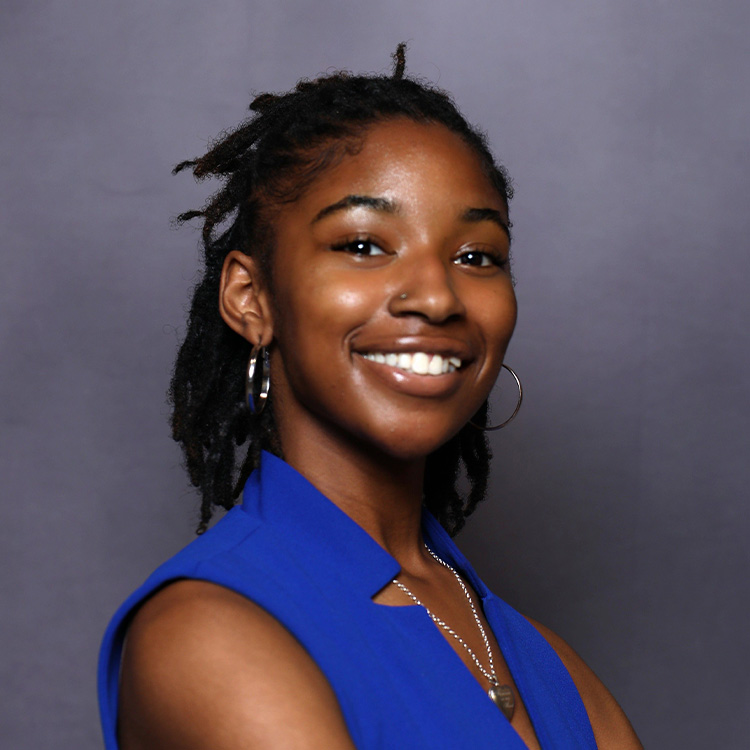
Written by Nakira Morris
Major: Plant Science concentrating in horticulture, Fort Valley State University
Future Endeavor: Horticulturist
Day 13: Dr. Georgia Rooks Dwelle
Dr. Georgia Rooks Dwelle was an important Black woman whose work made a lasting impact on the medical field, particularly in maternal and child health. Born in 1884 in Atlanta, Georgia, she grew up during a time when Black women faced significant barriers in pursuing medical careers. Despite these challenges, she believed strongly in education and earned her medical degree from Meharry Medical College. She specialized in both pediatrics and obstetrics, allowing her to care for children as well as mothers. Her dedication focused on improving healthcare access for underserved Black communities.
In 1913, Dr. Georgia Rooks Dwelle founded the Dwelle Sanitarium in Atlanta to provide medical care for Black women and children who were often denied treatment elsewhere. The sanitarium also offered professional training opportunities for Black nurses. Through her focus on pediatric care and safe childbirth practices, she helped reduce infant mortality rates. Her work showed how medicine could be rooted in both compassion and community service. Dr. Georgia Rooks Dwelle’s legacy continues to inspire future generations of Black women in healthcare.
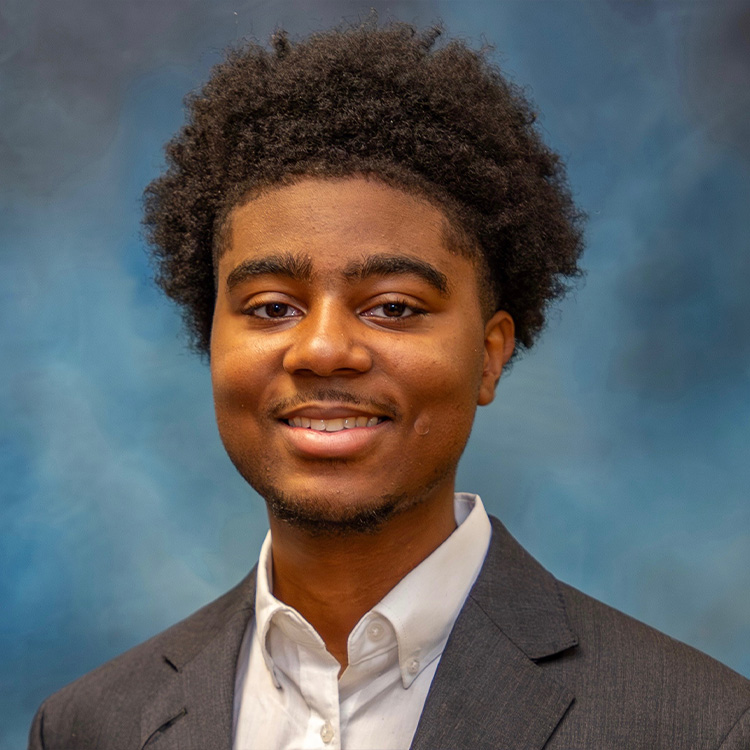
Written by Phillip Smith
Major: Agricultural Economics, Fort Valley State University
Future Endeavor: Agronomist
Day 14: Dr. Camara Phyllis Jones
Dr. Camara Phyllis Jones is a distinguished physician, epidemiologist, and public health leader whose work has reshaped the medical field’s understanding of health inequities. Born in the United States, she pursued medicine and public health with a strong interest in how social conditions affect health outcomes in Black and marginalized communities. She earned her medical degree and later specialized in epidemiology, where she focused on identifying the root causes of health disparities. Dr. Jones became widely known for developing a clear framework that explains racism at the institutional, interpersonal, and internalized levels. This work positioned her as a trailblazer in addressing racism as a public health issue rather than an individual failing.
Throughout her career, Dr. Jones has served in influential roles, including as a medical officer at the Centers for Disease Control and Prevention and as president of the American Public Health Association. Her research and advocacy have guided public health policy, medical education, and community-based health initiatives nationwide. She has consistently emphasized that achieving health equity requires changes in systems, policies, and social structures. Dr. Jones also founded the National Collaborative for Health Equity to promote fair and just health outcomes for all populations. Overall, her contributions continue to influence how medicine and public health address inequality, prevention, and justice in healthcare.

Written by Kayla Roberts
Major: Agricultural Economics, Fort Valley State University
Future endeavor: Agricultural Data Analyst
We are honored to amplify these stories through the voices of Fort Valley State University students, whose own academic journeys echo the perseverance and purpose of the pioneers they celebrate. As Black History Month continues, we invite you to reflect on these legacies, engage with each story, and recognize that the future of healthcare is being shaped by students inspired by those who came before them.
Stay with us as we continue this series in honor of Black History Month.