


Honoring the Legacy of Pioneers, Advocates, and Innovators for Black History Month
Week Three: Driving Innovation and Impact
As we enter Week Three of our Black History Month series, we continue highlighting the extraordinary impact of Black pioneers, advocates, and innovators whose work has shaped healthcare across generations.
Through our partnership with the Fort Valley State University MANRRS Chapter, we are proud to feature another powerful collection of student-written tributes. This week’s stories reflect resilience, scientific advancement, leadership, and the ongoing pursuit of equity in medicine, public health, and veterinary science.
Day 15: Dr. Dorothy Lavinia Brown
Dr. Dorothy Lavinia Brown was born in Philadelphia in 1914 and grew up in foster care after losing her parents at a young age. Even though she constantly experienced racism, she worked hard to get a good education and became a doctor. In 1948, she earned a medical degree from Meharry Medical College and became a surgeon who specialized in gynecology. She later was hired as the chief surgeon at Riverside Hospital in Nashville, Tennessee, where she trained and supported many young doctors.
Dr. Brown wasn’t just known for her medical career; she was also involved in public service and civil rights work. She was the first Black woman surgeon in the South to be board certified and the first Black woman to serve in the Tennessee State Senate. While she was in the Senate, she was an advocate for better healthcare, education, and equal rights. She also played a big role in desegregating hospitals in Tennessee and helped ensure that Black patients received proper medical care. Throughout her life, Dorothy Lavinia Brown stayed committed to helping others overcome the trials and tribulations she once had to face. Her work left a lasting impact on medicine, politics, and health equity for underserved communities.
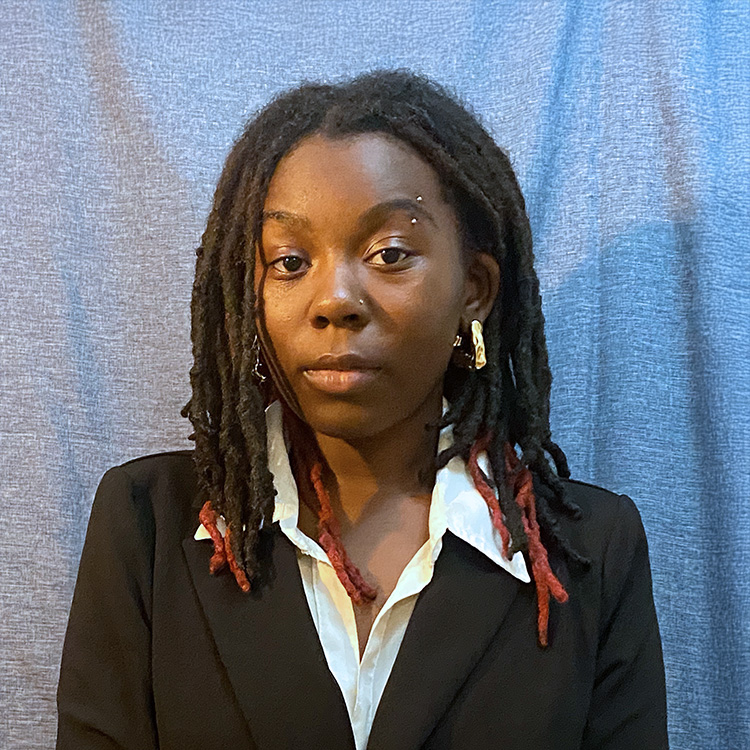
Written by Ramiyah Siggal
Major: Veterinary Technology, Fort Valley State University
Future Endeavor: Rehabilitation Veterinary Medicine
Day 16: Dr. Marilyn Hughes Gaston
Dr. Marilyn Hughes Gaston is a distinguished American pediatrician and public health leader, best known for her groundbreaking research and advocacy concerning sickle cell disease. Born in Cincinnati, Ohio, she pursued her medical education at the University of Cincinnati College of Medicine, graduating in 1964. Early in her career, she recognized the severe impact of sickle cell anemia on children, particularly within the African American community, and dedicated herself to improving diagnosis and treatment for the condition.
Her landmark 1986 study, published in the New England Journal of Medicine, demonstrated the effectiveness of penicillin prophylaxis in preventing life-threatening infections in infants with sickle cell disease. This pivotal research helped lead to universal newborn screening for sickle cell disease in the United States, dramatically improving outcomes and life expectancy for countless children. Dr. Gaston later became the first African American woman to direct the Bureau of Primary Health Care and served as Assistant Surgeon General. Her tireless work has left an indelible mark on pediatric medicine and public health policy.
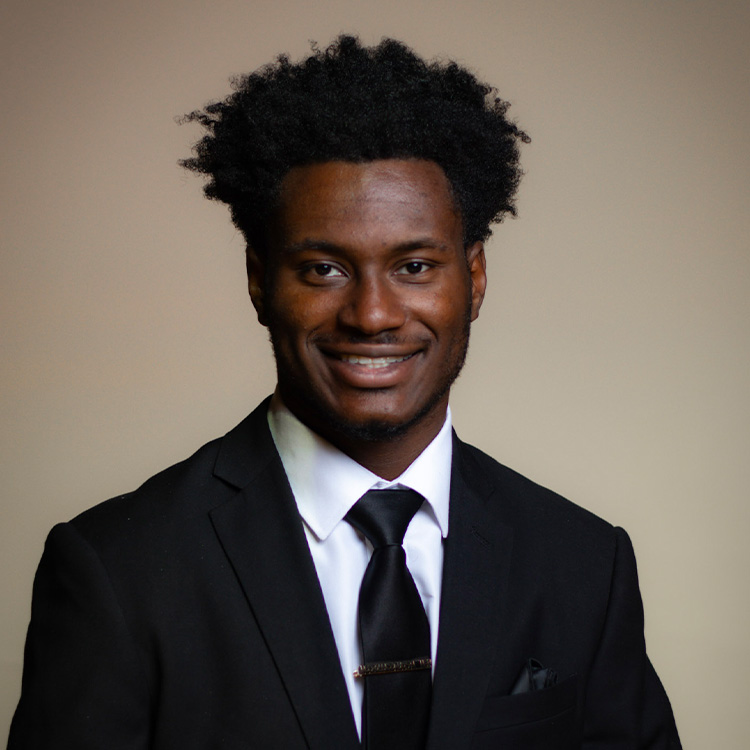
Written by Lawrence Reeves, IV.
Major: Agricultural Economics, Fort Valley State University
Future Endeavor: US Air Force, Foreign Agricultural Service Officer
Day 17: Dr. Kizzmekia Corbett
Dr. Kizzmekia Corbett is a brilliant Black scientist whose work has had a profound impact on modern medicine and public health. As an immunologist, she played a key role in the development of the COVID-19 mRNA vaccines, helping lead research that saved millions of lives worldwide. Dr. Corbett’s expertise in viral immunology allowed scientists to respond quickly and effectively to the pandemic. Her contributions demonstrated the importance of preparedness, innovation, and trust in science during global health crises. Through her work, she helped bridge the gap between complex research and real-world medical solutions.
Beyond the laboratory, Dr. Corbett has been a powerful advocate for health equity and community education. She has worked to address vaccine hesitancy, particularly in Black and underserved communities, by promoting transparency and understanding in medical research. Dr. Corbett also serves as a role model for young people interested in science and medicine, showing that representation truly matters. Her leadership highlights how medicine is not only about treatment, but also about communication, trust, and service. Dr. Kizzmekia Corbett’s legacy continues to shape the future of medicine by combining scientific excellence with social responsibility.
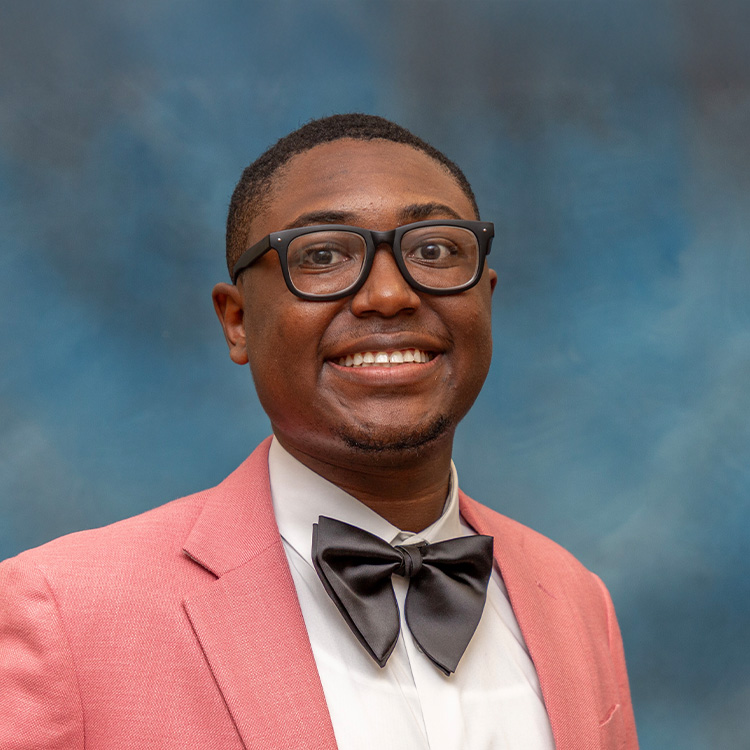
Written by Shannon Hosey
Major: Agriculture Economics, Fort Valley State University
Future Endeavor: Agriculture Chemicals Sales Professional
Day 18: Rosalie A. Reed
Rosalie A. Reed is an American veterinarian recognized for pioneering advancements in exotic animal care. From childhood, Reed exhibited a keen interest in animals, frequently nurturing them in her home environment. Her mother recalled that Reed always had an animal around, reflecting an early, self-directed passion for animal care that preceded formal interests in biology or veterinary science. Rosalie A. Reed went on to earn a Doctor of Veterinary Medicine (DVM) degree from Tuskegee University in 1972. This degree encompassed core coursework in anatomy, physiology, pharmacology, and clinical pathology, fostering skills in diagnosing and managing diseases across diverse animal species. Her education at Tuskegee, which included practical components through the university’s teaching hospital, laid the groundwork for expertise in exotic animal care without specialized zoo internships noted in available records prior to her professional entry.
In 1973, she became the first woman employed as a veterinarian at the Los Angeles Zoo, and the first Black veterinarian at a major U.S. zoo. Her career shattered barriers in a male-dominated field, focusing on the medical needs of zoo animals and contributing to veterinary practices for non-domestic species. Reed later founded Reed’s Family Zoo, a private sanctuary emphasizing animal welfare and conservation efforts.
Written by Adriunna Carter
Major: Veterinary Technology, Fort Valley State University
Future Endeavor: Veterinary Medicine, specializing in exotic companion animals
Day 19: Dr. Matilda Arabella Evans
Dr. Matilda Arabella Evans was a trailblazing physician who played a major role in improving health care during the late 19th and early 20th centuries. She was the first African American woman licensed to practice medicine in South Carolina after earning her medical degree from the Woman’s Medical College of Pennsylvania in 1897. At a time when racism and sexism limited opportunities for Black women, Dr. Evans opened her own medical practice and treated thousands of patients, many of whom could not afford proper medical care. She specialized in treating women and children and worked tirelessly to improve public health in her community.
Dr. Evans was also deeply committed to uplifting the Black community beyond individual patient care. She believed education and prevention were key to better health, so she promoted cleanliness, nutrition, and disease prevention, especially among children. She helped establish health programs, supported African American schools, and worked with organizations like the NAACP to fight for civil rights and better living conditions. Dr. Matilda Evans’ dedication made her essential to both the medical community and the Black community, as she not only saved lives but also helped create lasting improvements in health awareness, equality, and opportunity for future generations.
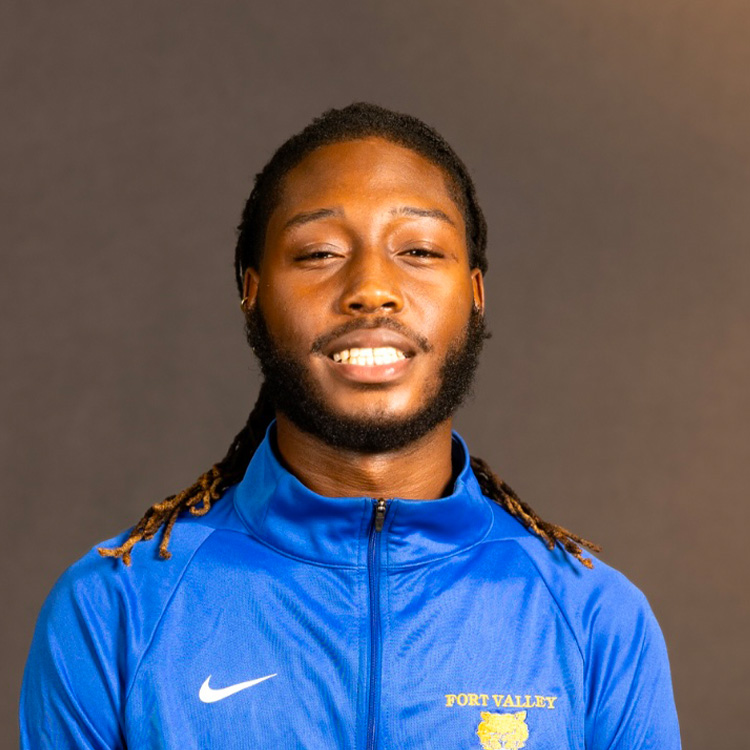
Written by Andre Milner
Major: Business Management, Fort Valley State University
Future Endeavor: Entrepreneurship within the health, wellness, and agricultural industries
Day 20: Anarcha Westcott
Anarcha Westcott was an enslaved woman who, alongside two other slaves (Betsy and Lucy), underwent surgical procedures at the hands of J. Marion Sims without anesthesia or any painkillers. Sims and many other doctors of the era believed that Black women did not need anesthesia, as their bodies were meant to be stronger than white women and that they could handle the pain. These procedures helped Sims “shape” the state of modern gynecology. Not only did his experiments on the many women under his care lead to infections and injuries, but his constant violation of their autonomy led to a handful of the procedures failing completely.
Anarcha was the last of the three to be experimented on. By 1849, Anarcha would go through her 30th procedure under Sims. It was successful, and the three women would soon return to their masters after five years of torture and experimentation. Without the use of Black bodies, Sims would not have been able to use his experiments to further his studies. If we are to recognize the importance of Sims’ work and what he has brought to the field of women’s healthcare, it is important that we also recognize the Black women whom he violated in the name of science. Their efforts continue to live on even today.
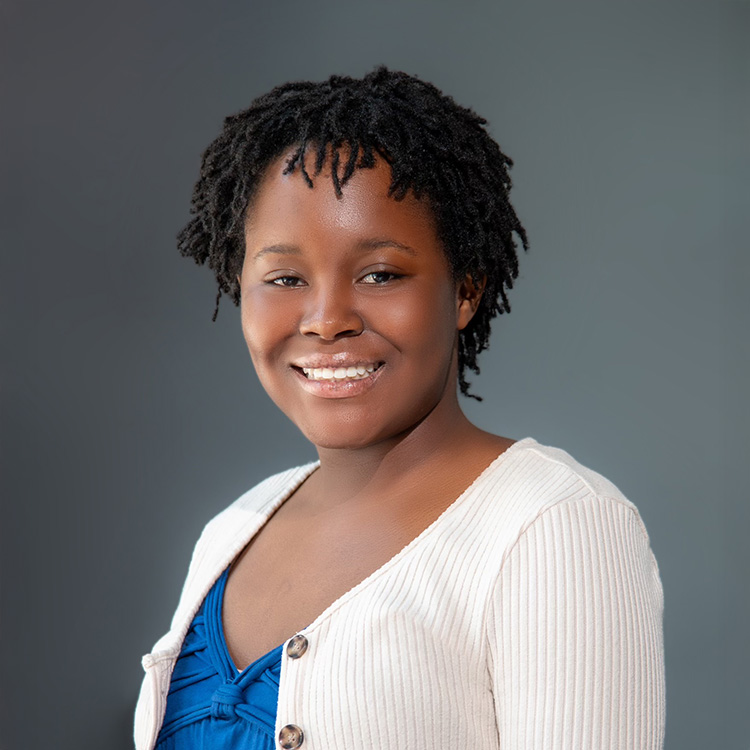
Written by Jaidenn Carter
Major: Animal Science, Fort Valley State University
Future Endeavor: Veterinary Medicine
Day 21: Dr. Yvette Francis McBarnette
Dr. Yvette Francis McBarnette was a pediatrician who made a lasting difference in how sickle cell disease is treated in children. At a time when the condition was often misunderstood or ignored, she believed kids with sickle cell deserved consistent and specialized care, not just treatment during emergencies. She focused on improving pain management, preventing infections, and reducing serious complications. Her work helped change how doctors approached sickle cell disease and pushed pediatric care toward being more thoughtful and patient-centered.
She was also a strong advocate for early diagnosis and education for families. Dr. Francis McBarnette stressed the importance of newborn screening, regular checkups, and helping parents understand how to manage the disease day to day. She worked to bring attention to a condition that mainly affects Black communities and fought for better care and recognition within the medical field. Because of her efforts, sickle cell disease is now treated as a major public health issue, and her influence is still seen in pediatric medicine today.
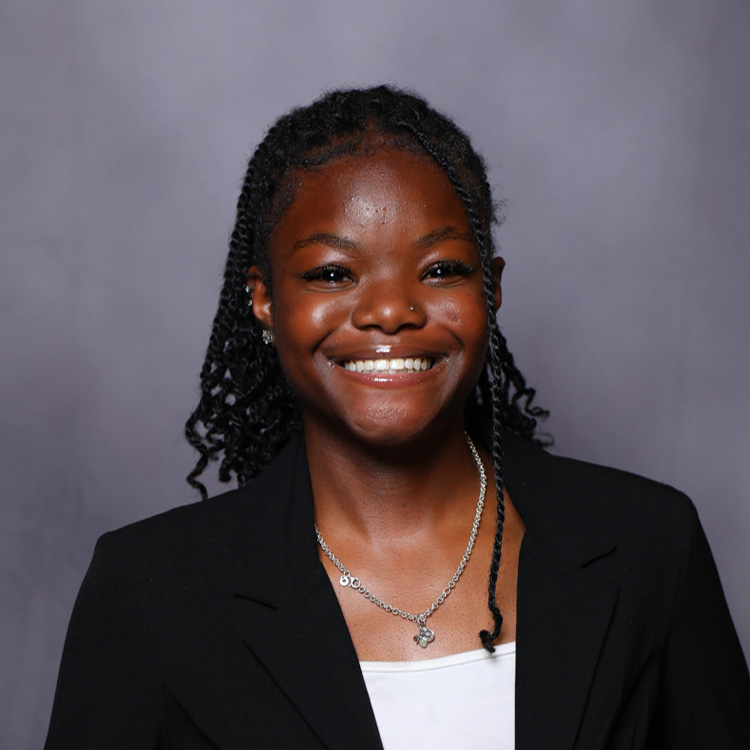
Written by Katelynn Hodges
Major: Agricultural Economics with a minor in Marketing, Fort Valley State University
Future Endeavor: Agribusiness Consultant and Agronomist
These stories remind us that progress in healthcare has never happened in isolation. It has been shaped by courage, sacrifice, scientific brilliance, and an unwavering commitment to justice.
We are grateful to the students of Fort Valley State University for bringing these legacies to life through their research and reflection. As we continue this Black History Month series, we encourage you to share these stories, celebrate these contributions, and consider how each of us can help carry this legacy forward.