

Celebrating the Pioneers, Advocates, and Innovators During Black History Month
Week One: Breaking Barriers in Healthcare
To kick off Black History Month, we’re honoring seven remarkable Black women whose contributions helped shape modern medicine, public health, research, and veterinary care.
Written by students from Fort Valley State University, this Week One feature highlights pioneers who advanced health equity, innovation, and compassionate care, often against extraordinary odds.
DAY 1: Dr. Dorothy Celeste Boulding Ferebee
Dorothy Boulding Ferebee was a trailblazing Black woman whose work made a lasting impact on medicine and public health in the United States. Born in 1898, she pursued higher education at a time when opportunities for Black women in medicine were extremely limited. She earned her medical degree from Tufts University School of Medicine, becoming one of the few Black female physicians of her era. Early in her career, she recognized that many health problems in Black communities were rooted in inequality rather than biology. This understanding shaped her lifelong commitment to public health and preventative care. She believed access to education and healthcare was essential for community empowerment. Her passion for service guided her work both inside and outside clinical settings.
Dr. Ferebee is best known for her leadership in addressing health disparities affecting Black women and children. She served as the medical director of the Mississippi Health Project, which brought essential healthcare services to underserved rural communities in the South. Through this project, thousands of families received medical care, vaccinations, and health education. She also played a major role in national organizations, including serving as president of the National Council of Negro Women. In these leadership roles, she advocated for policies that improved healthcare access and maternal health outcomes. Her work helped bridge the gap between medicine and social justice while also combating public health issues. Dr. Dorothy Boulding Ferebee’s legacy continues to inspire Black women in medicine who strive to create change through compassion and service.
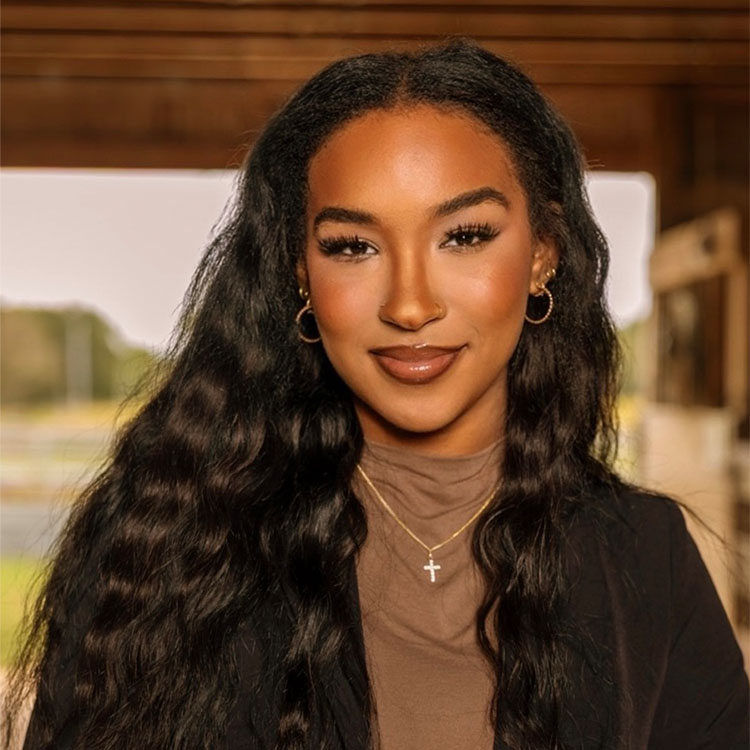
Written by Kennedi Brazil
Major: Agricultural Economics, Fort Valley State University
Future Endeavor: Master of Business Administration, Pharmaceutical Sales
Day 2: Dr. Patricia Bath
Dr. Patricia Bath was a pioneering ophthalmologist, inventor, and public health advocate whose work transformed the treatment of blindness. She was the first African American woman to complete a residency in ophthalmology and the first African American female doctor to receive a medical patent. Dr. Bath co-founded the American Institute for the Prevention of Blindness, where she promoted the idea that eyesight is a basic human right. Through her research, she identified health disparities in vision care, noting that preventable blindness disproportionately affected underserved communities due to limited access to medical treatment.
One of Dr. Bath’s most significant contributions to medicine was the invention of the Laserphaco Probe, a device that revolutionized cataract surgery by using laser technology to remove cataracts more precisely and safely. This innovation restored sight to many patients, including individuals who had been blind for decades. Her invention improved surgical outcomes worldwide and is still influential in modern ophthalmology. Beyond her technical achievements, Dr. Bath’s legacy lies in her commitment to equity in healthcare, as she consistently worked to ensure that advanced medical treatments were accessible to all people, regardless of race or socioeconomic status.
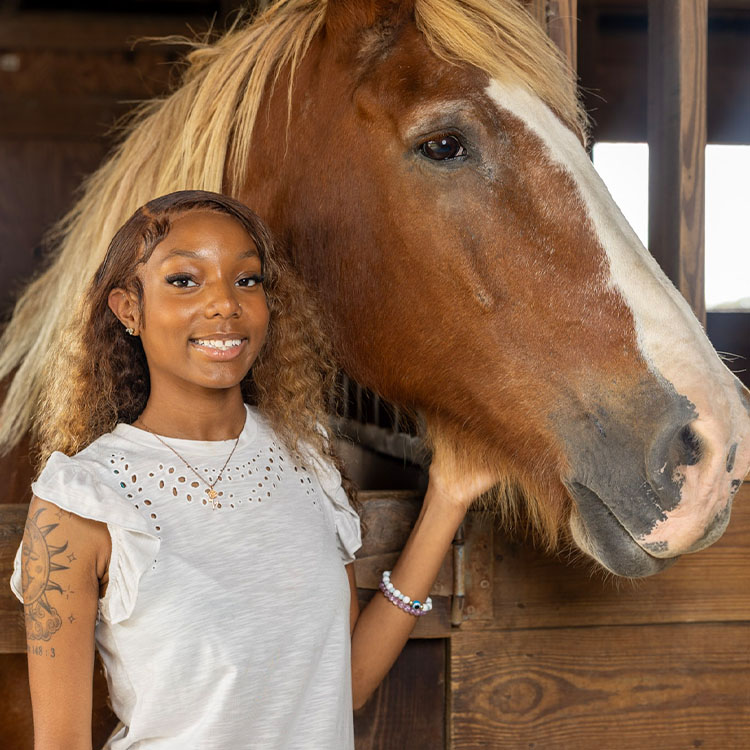
Written by Lauren Basnight
Major: Veterinary Technology, Fort Valley State University
Future Endeavor: Emergency Veterinary Medicine
Day 3: Dr. Rebecca Lee Crumpler
The journey of Dr. Rebecca Lee Crumpler is an inspiring story. Dr. Crumpler was the first African American woman to earn a doctorate of medicine. She wrote one of the very first medical publications by an African American, A Book of Medical Discourses (1883). It offers advice on women’s and children’s health, nutrition, hygiene, and disease prevention and addresses disparities faced by the Black community.
Dr. Crumpler was born in 1831 in Delaware to Absolum Davis and Matilda Webber. She was raised by her aunt in Pennsylvania who spent her time taking care of sick neighbors. Crumpler went on to work as a nurse in 1852, before the first formal school of nursing opened in 1873. In 1860, she was admitted to the New England Female Medical College, graduated in 1864, and made history as the first African American woman to graduate with an M.D. Her published book in 1883 detailed just how much her aunt inspired her career choice and how she dedicated her time to chase after every possible opportunity to take care of others.
After the Civil War ended in 1865, she moved to Richmond, Virginia and joined other Black physicians caring for freed enslaved people who would have had no access to medical care. After spending much time there, she eventually returned to Boston and practiced to her heart’s content, and coincidentally stayed on Joy Street on Beacon Hill. She eventually retired and her story still inspires black women chasing dreams today.

Written by: Chantia Fletcher
Major: Animal Science, Fort Valley State University
Future Endeavor: Research Scientist in Animal Science
Day 4: Dr. Regina Marcia Benjamin
Dr. Regina Marcia Benjamin made many brilliant contributions to the medical field, which included earning three degrees: a Bachelor of Science in Chemistry at Xavier University, Master of Business Administration at Tulane University, and a doctor of medicine at the University of Alabama. Dr. Benjamin utilized her doctoral and business degrees to found and operate as CEO of Bayou Clinic. Having been born and raised in Alabama, she didn’t run her practice just out of her passion for medicine. She had a desire to give back to the rural community of her home state, providing cost-efficient medical care to a small village on the Gulf Coast of Alabama where 80% of her patients classified as below the poverty line.
Her journey wasn’t without trial though. A hurricane reduced her clinic to mere rubble, but she did not let that stop her. She rebuilt her clinic and continued to provide care during its rebuilding through house calls. Her brilliance and compassion was recognized by Barack Obama, and she became the 18th appointed U.S. Surgeon General from 2009 to 2013 under Obama’s presidency, chosen by him. After her service as the nation’s doctor, she was elected Chair of Public Health Sciences at Xavier University in New Orleans, Louisiana and currently holds this position today!
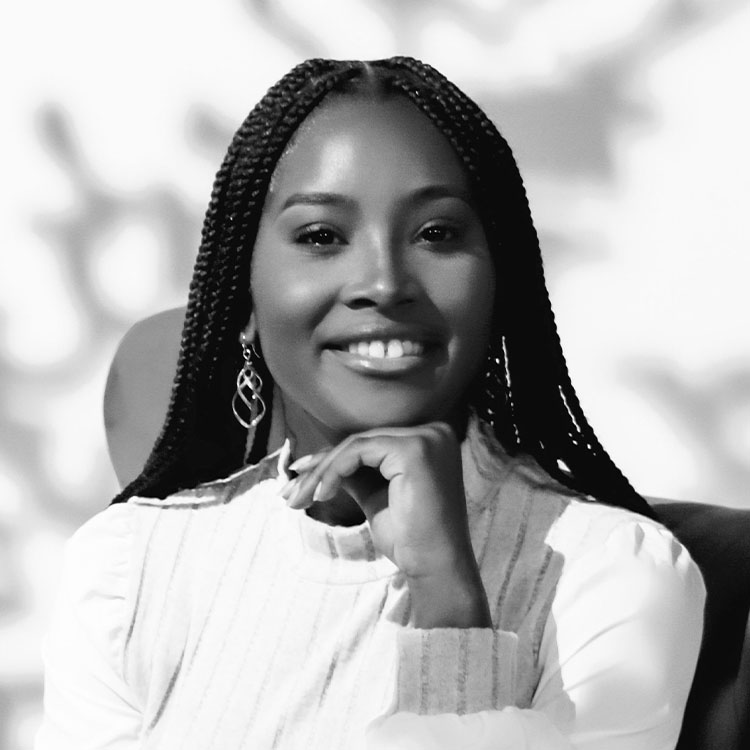
Written by Aajah Forgue
Major: Animal Science, Fort Valley State University
Future Endeavor: Veterinary Medicine (exotic and domestic animals)
Day 5: Dr. May Edward Chinn
As a young Black woman in college working towards becoming a physician, learning about Dr. May Edward Chinn has been both inspiring and affirming. Dr. Chinn was one of the earliest Black women to graduate from medical school in the United States and the first Black woman to intern at Harlem Hospital, achievements that were groundbreaking during a time of intense racial and gender discrimination. When she was denied hospital privileges because of her race and gender, she refused to let those barriers define her future. Instead, she built a successful private practice and devoted much of her career to cancer research, particularly cervical cancer. Dr. Chinn played a significant role in advancing early cancer detection by collaborating with Dr. George Papanicolaou, and providing clinical data that supported the development and validation of the Pap smear. Her work helped transform cervical cancer from a frequently fatal disease into one that could be detected and treated early, ultimately saving countless lives.
Dr. Chinn’s legacy extends far beyond her medical accomplishments; it lives on in the confidence and ambition she instills in young aspiring Black women like me. By using her private practice to collect samples and support research that many institutions excluded her from, she proved that meaningful contributions to medicine do not require institutional acceptance, only dedication and purpose. Knowing that she helped develop a screening tool that remains a cornerstone of women’s health today motivates me to pursue medicine not just as a career, but as a means of advocacy and impact. Dr. Chinn reminds me that even when doors are closed, we can still shape the future of healthcare and inspire generations of Black women to see themselves as innovators, leaders, and healers.
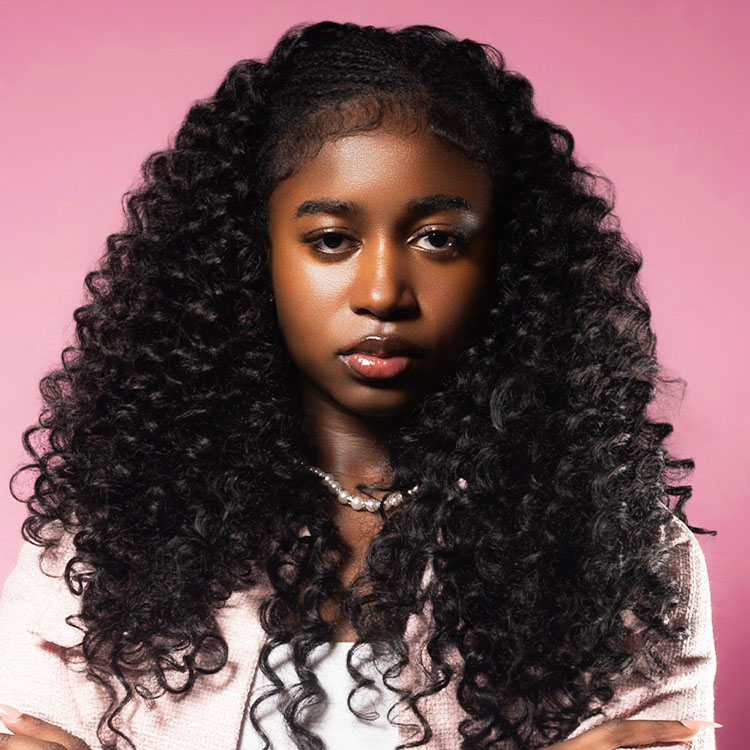
Written by Victoria Mensah
Major: Biology, Fort Valley State University.
Future Endeavor: Doctor of Medicine
Day 6: Dr. Lila Miller
Dr. Lila Miller is a veterinarian whose work has made a lasting impact on animal health and shelter medicine. She is widely known for her leadership at the ASPCA, where she has served as Vice President of Shelter Medicine and helped transform how animal shelters provide medical care. Through her work, Dr. Miller (also known as “the mother of shelter medicine”) has improved standards for spay and neuter programs, disease prevention, and humane treatment of animals nationwide. Her efforts have directly contributed to saving countless animal lives and improving welfare practices across the country. As a Black woman in veterinary medicine, she has also helped break barriers in a field where representation has historically been limited.
Beyond her clinical contributions, Dr. Miller is a powerful advocate for education, access, and equity in veterinary care. She has worked to expand affordable, high-quality medical services for underserved communities and shelters with limited resources. Her leadership emphasizes collaboration, compassion, and science-based medicine to create sustainable change. Dr. Miller’s career reflects the importance of using medical expertise not only to treat patients, but to improve systems as a whole. Her legacy continues to inspire future generations to pursue careers in medicine, advocacy, and service.
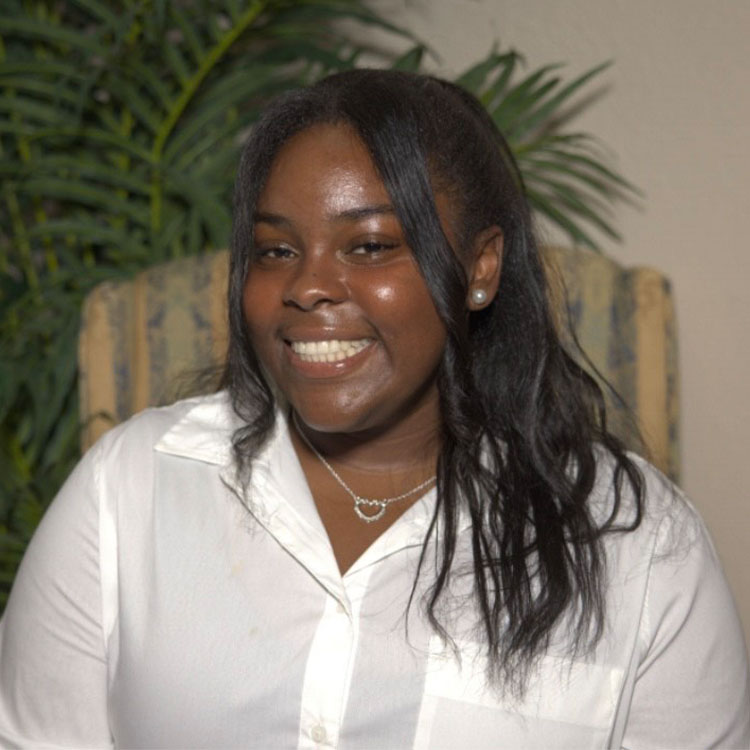
Written by Gabrielle Ellison
Major: Veterinary Technology, Fort Valley State University
Future Endeavor: Veterinary Radiologist
Day 7: Henrietta Lacks
Henrietta Lacks was a Black woman whose legacy quietly lives within the heartbeat of modern medicine. Born in 1920 in Roanoke, Virginia, she sought treatment for cervical cancer at Johns Hopkins Hospital in 1951, unaware that history was unfolding within her cells. Without her consent, doctors collected samples from her tumor and made a groundbreaking discovery: her cells could live and multiply endlessly. These cells became known as HeLa cells, the first immortal human cell line. What began as one woman’s fight for healing became a gift that reshaped science forever.
Henrietta’s cells have touched nearly every corner of medical advancement, from the creation of the polio vaccine to breakthroughs in cancer research, genetics, and virology. They have traveled the world, studied in countless laboratories, and contributed to saving millions of lives. Yet for many years, Henrietta Lacks and her family were left in the shadows, unaware of the role she played in global medicine. Her story reveals both the beauty of scientific discovery and the deep injustice faced by Black women in healthcare. Today, Henrietta Lacks is honored not only as a scientific cornerstone, but as a symbol of resilience, dignity, and the enduring power of a woman whose life mattered.
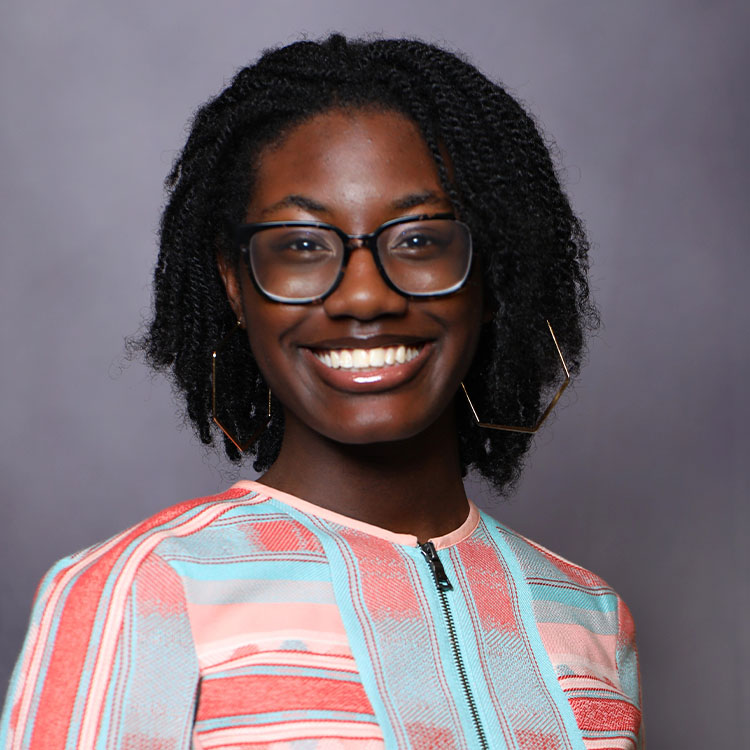
Written by Ashley Oshin
Major: Agricultural Economics, Fort Valley State University
Future endeavor: Biomedical Engineer, Laboratory Research Scientists
The stories featured in Week One of our Black History Month series illustrate the lasting influence Black women have had on medicine, science, and public health. Their contributions continue to shape modern healthcare, reminding us that progress is driven by perseverance, advocacy, and a commitment to equity.
As we continue this series throughout Black History Month, we invite you to explore these legacies, celebrate their impact, and learn more about the women whose work continues to inspire healthier communities for generations to come.